
Cat Enrichment can be easier to approach when you start with a few practical basics.
It’s a pretty common sight: you come home to find your cat staring intently at the wall, or maybe they’re meticulously dismantling a cardboard box. It’s easy to think, “Just another cat thing,” but really, it’s a sign they’re feeling a little bored. And a bored cat isn’t a happy cat. Cat enrichment isn’t just about buying a shiny new toy; it’s about understanding what makes your feline friend tick and creating an environment that satisfies their natural instincts. Think of it as giving them a reason to want to play, explore, and engage with the world around them. this post will walk you through the key ideas and simple steps to enrich your cat’s life, boosting their well-being along the way. We’ll break it down into five areas - environmental, cognitive, physical, social, and sensory - offering some ideas you can start using today.
Beyond the Ball of Yarn: What *Is* Cat Enrichment?
At its core, cat enrichment is about meeting a cat’s fundamental needs. Cats are, fundamentally, predators. They’ve evolved to hunt, stalk, pounce, and explore. For thousands of years, they lived in complex, stimulating environments, constantly seeking out prey and navigating their surroundings. Indoor cats, while safe and comfortable, can easily become bored if their needs aren’t met. Without enough stimulation, they can develop behaviors like excessive grooming, scratching, or even anxiety. Enrichment addresses this by giving them opportunities to express those instincts. It’s not about forcing them to play; it’s about creating a space where they choose to engage. We often think of enrichment in terms of toys, but it’s so much more than that. It’s about creating a stimulating environment that includes vertical space, chances to hunt, varied textures, and mental challenges. Let’s look at these five areas - they’re a great way to think about how to support your cat’s well-being.
The Five Domains of Cat Enrichment
- Vertical Space: Cats love to be up high. Cat trees, shelves, and window perches are essential. It’s not just about having a place to sit; it’s about giving them a vantage point to survey their territory. A simple, sturdy bookcase with a blanket draped over it can work wonders.
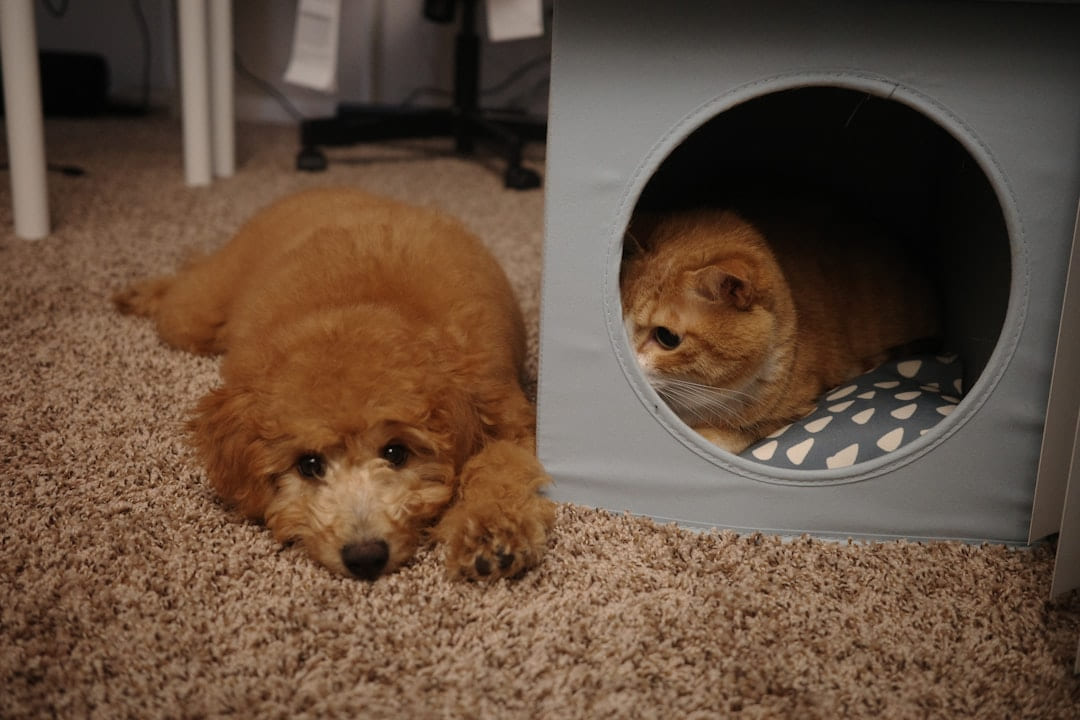
- Hiding Spots: Cats need places to retreat and feel secure. Cardboard boxes, covered beds, or even a quiet corner under a piece of furniture offer a sense of privacy.
- Safe Havens: Make sure they have at least three distinct “safe” areas where they feel completely undisturbed. 2. Cognitive Enrichment: Keeping Their Minds Sharp Cats are surprisingly intelligent. They enjoy problem-solving and learning.
- Puzzle Feeders: These are fantastic for slowing down eating and providing mental stimulation. They require the cat to work for their food, mimicking the hunting process.
- Interactive Games: Short, engaging play sessions with wand toys, laser pointers (use them responsibly - always end with a “catchable” toy), or even crumpled paper balls can be hugely beneficial. A little focused attention goes a long way.
- Training: Believe it or not, cats can be trained! Clicker training can be a fun way to bond and challenge their minds. Start with simple commands like “come” or “stay.” 3. Physical Enrichment: Encouraging Movement Cats need to move! Even indoor cats need opportunities to stretch, jump, and chase.
- Variety of Toys: Rotate toys regularly. A toy that’s been constantly available loses its appeal quickly. Keep a stash of “new” toys hidden away and introduce them every few weeks.
- Hunting Simulations: Mimic hunting behavior with toys that resemble prey - feather wands, toy mice, crinkle balls. Encourage stalking, pouncing, and batting.
- Playtime Routine: Schedule short, regular play sessions (10-15 minutes) - ideally twice a day. 4. Social Enrichment: Connection and Companionship Cats are social creatures, though their social needs vary.
- Human Interaction: Spend quality time with your cat - petting, grooming, talking to them. Even just sitting nearby while you read or work can be comforting.
- Feline Companionship (Carefully Introduced): If you’re considering adding another cat to the household, do it gradually and carefully. Proper introductions are crucial to prevent stress and conflict. A slow, scent-swapping process is key. 5. Sensory Enrichment: Engaging Their Senses Cats experience the world through their senses - sight, smell, touch, taste, and hearing.
- Variety of Textures: Offer toys made of different materials - plush, crinkly, rope, felt. Provide scratching posts with different textures (sisal, cardboard, carpet).
- Sounds: Cat-friendly music (classical or nature sounds) can be calming. Some cats enjoy the sound of running water - a small tabletop fountain can be a hit.
- Smells: Introduce catnip, silvervine, or valerian root - these natural attractants can stimulate play and relaxation. Be mindful of strong, artificial scents.
- Visual Stimulation: Window perches allow them to watch birds, squirrels, and other outdoor activity. A bird feeder placed outside a window can provide hours of entertainment.
Making it Happen: Practical Tips
- Rotation is Key: Don’t leave all the toys out all the time. Rotate them every few days to keep things interesting. A simple cardboard box can become a treasure trove if it’s emptied and refilled with new toys and hiding spots.
- DIY Enrichment: Get creative! Toilet paper rolls, empty paper towel rolls, and cardboard boxes can be transformed into engaging toys.
- Safety First: Always supervise your cat with new toys and enrichment items to ensure they’re not ingesting any small parts. Regularly inspect toys for damage and discard them if necessary.
Recognizing Boredom and Anxiety
It’s important to recognize the signs that your cat isn’t getting enough enrichment. Excessive grooming, destructive scratching, changes in appetite, hiding, or increased vocalization can all be indicators of boredom or anxiety. Enrichment can be a powerful tool for addressing these issues, providing them with an outlet for their energy and reducing stress.
- ASPCA: - Information on many pet care topics.
Keep This Practical
The most helpful pet-care changes are usually the ones your animal can feel right away: more comfort, clearer routines, and less daily stress. Start there and build steadily.
Tools Worth A Look
If you want a practical next step for your pet's routine or setup, the recommendations below are the best fit.
- BURT'S BEES FOR PETS Cat Dander Reducing Spray with Colloidal Oat Flour and Honey, Waterless Cat Grooming SprayMiracle Care Ear Powder for Dogs and Cats Keeps Ears Dry, Reduces Odor and Waxy Build UpVetradent Water Additive, 17 ozPupford Freeze Dried Training Treats for Dogs & Puppies, 475+ Two Ingredient Bites (Chicken, 4 oz)Pup Labs ProDenta, All-Natural Dog Dental Powder for Teeth Cleaning, Dental Powder for Dogs Teeth with Breath Freshener. Easy to use for Tartar Removal
Some of the links on this page are Amazon affiliate links, which means I may earn a small commission if you make a purchase through them. As an Amazon Associate, I earn from qualifying purchases.
Related ReadingMore from Happy Paws Daily
Cat Enrichment: Is It Really Worth It?
vs. Alternatives: Keeping Your Feline Friend Happy Cat Enrichment vs. Alternatives: Keeping Your Feline Friend Happy Let’s face it, cats can be… demanding. They n...
Cat Enrichment: When It’s Not Working
Readers usually get better results when they treat advice as something to test and refine, not something to obey perfectly. That mindset creates room for real.

Cat Enrichment: A Step-by-Step Start
Use cat enrichment: a step-by-step start as a more grounded pet-care guide focused on safety, enrichment, and steady day-to-day routines.