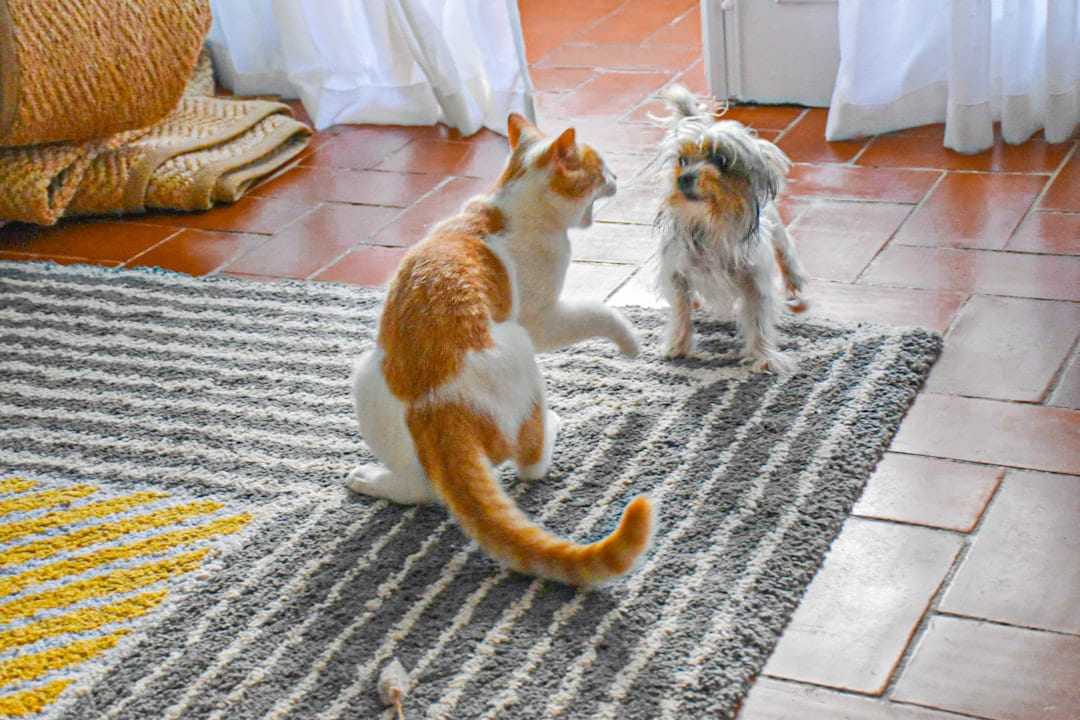
Cat Enrichment can be easier to approach when you start with a few practical basics.
Remember those moments when you come home to find your couch looking a little worse for wear, or your houseplants have mysteriously vanished? It’s a feeling many cat owners know well. While it might seem like your kitty is just being mischievous, often they’re actually trying to entertain themselves - and they’re looking for ways to do it when their basic needs aren’t being met. The good news? You can really make a difference in your cat’s happiness and reduce those unwanted behaviors by focusing on something called “cat enrichment.” It’s not just about buying a bunch of toys; it’s about creating a home that truly caters to their natural instincts and keeps them feeling engaged and fulfilled. Let’s explore how to build a richer, more satisfying life for your feline friend.
Understanding Cat Enrichment
At its heart, cat enrichment is all about meeting your cat’s core needs. Think back to what a cat does instinctively in the wild - hunting, exploring, scratching, climbing, and simply observing. These aren’t just random behaviors; they’re vital for their physical and mental well-being. A single stuffed mouse might provide a quick burst of play, but it doesn’t address the deeper need for a satisfying hunt or the satisfaction of sharpening their claws. Enrichment, then, is about offering opportunities for them to engage in these natural activities, even within the comfort of your home. Essentially, it’s about creating an environment that mirrors the challenges and rewards of a cat’s ancestors. Ignoring these instincts can lead to boredom, frustration, and, unfortunately, things like excessive scratching, destructive chewing, or even anxiety. It’s not about spoiling your cat; it’s about respecting their natural way of being.
Why Enrichment Matters - It's About Instincts
Let’s be clear: a bored cat is a stressed cat. Those seemingly random acts of destruction are often a sign that they’re desperately seeking something to do, something to feel. When their needs aren’t being met - the urge to stalk, to pounce, to investigate, to sharpen - they’ll find ways to express that frustration, and often those ways aren’t ideal. Fulfilling these instincts dramatically reduces stress and anxiety. A cat who has regular chances to engage in hunting behaviors, for example, is much less likely to become anxious when faced with a new situation or a change in their routine. Scratching, a deeply ingrained behavior, isn’t just about keeping their claws trimmed; it’s about stretching their muscles, marking their territory, and relieving tension. Ignoring these needs isn’t just neglecting their physical well-being; it’s actively contributing to their emotional distress.
Simple DIY Enrichment - It Doesn't Have to Cost Much
You don’t need to spend a fortune to enrich your cat’s life. In fact, some of the most effective activities are incredibly simple and cost very little. * Cardboard Boxes: Seriously, don’t underestimate the power of a cardboard box. Cats love them! They’re perfect for hiding, exploring, and just feeling safe and secure. Vary the sizes and shapes to keep things interesting.
- Toilet Paper Roll Puzzles: Fold in the ends of a toilet paper roll and fill it with a few small treats. Your cat will have to work to get to the reward - a mini-hunt that’s surprisingly satisfying.
- Paper Bag Exploration: Similar to boxes, paper bags offer a crinkly, mysterious space for cats to investigate. (Just be sure to remove any handles or staples for safety).
- Easy Puzzle Feeders: You can buy affordable puzzle feeders, or get creative! A muffin tin with some balls of foil on the holes can be a fantastic foraging challenge. Even hiding dry food in different spots around the house is a simple way to tap into their hunting instincts.
- Treat Hiding Games: This is a classic for a reason. Hide a few treats around a room and let your cat use their nose and instincts to find them.
Vertical Space & Playtime - Cats Love to Climb
Cats are natural climbers and observers. They enjoy surveying their territory from a high vantage point, and having access to vertical space is really important for their well-being. Cat trees, shelves, and window perches aren’t just decorative; they’re essential elements of a stimulating environment. Think about it - in the wild, a cat would spend a lot of time perched on branches, watching for prey. Providing them with similar opportunities in your home allows them to fulfill that instinct. Interactive play is equally important. While toys can be helpful, you are the key motivator. Feather wands, laser pointers (used carefully - always end the session with a tangible toy they can “catch”), and even crumpled paper balls can provide hours of entertainment. what helps most is to mimic the movement of prey and let your cat “win” at the end of the play session. It’s about providing a satisfying hunt, even if it’s just for a few minutes.
Engaging the Senses - Adding Variety to Their World
Cats experience the world through their senses - sight, smell, touch, and sound. Providing opportunities to engage with different sensory stimuli can significantly enrich their lives. * Textures: Offer different textures - sisal scratching posts, plush carpet, fleece blankets. Let them explore and choose what they prefer.
- Sounds: Some cats enjoy calming music designed for pets. Others might appreciate the sound of running water (a small fountain can be a great option).
- Smells: Catnip and silvervine are well-known for their stimulating effects. Rotate these scents regularly to keep things interesting.
- Rotation is Key: Don’t let toys sit untouched for weeks. Rotate them regularly to keep your cat engaged and prevent boredom. A small toy box or basket is a great way to store and rotate toys. Introducing a new item every week or two can make a big difference.
Wrapping Up
Creating a truly enriching environment for your cat isn’t about buying the most expensive toys or spending a lot of money. It’s about understanding their natural instincts and providing opportunities for them to express those instincts in a safe and stimulating way. By focusing on meeting their needs for hunting, exploring, scratching, climbing, and observing, you can reduce stress, minimize destructive behaviors, and, most importantly, create a happier, healthier, and more content feline companion. Start small - maybe just adding a new cardboard box or dedicating a few minutes each day to interactive play. You’ll likely be surprised by the positive impact it has.
Keep This Practical
The most helpful pet-care changes are usually the ones your animal can feel right away: more comfort, clearer routines, and less daily stress. Start there and build steadily.
Tools Worth A Look
If you want a practical next step for your pet's routine or setup, the recommendations below are the best fit.
- BURT'S BEES FOR PETS Cat Dander Reducing Spray with Colloidal Oat Flour and Honey, Waterless Cat Grooming SprayHemp Hip and Joint Supplement for DogsArm & Hammer Tartar Control Dental Spray for DogsPupford Freeze Dried Training Treats for Dogs & Puppies, 475+ Three Ingredient Bites (Beef Liver, 4 oz)Bulldog Wrinkle Wipes for Dogs – Deodorizing & Soothing with Honeysuckle Extract – Non-Irritating
Some of the links on this page are Amazon affiliate links, which means I may earn a small commission if you make a purchase through them. As an Amazon Associate, I earn from qualifying purchases.
Related ReadingMore from Happy Paws Daily
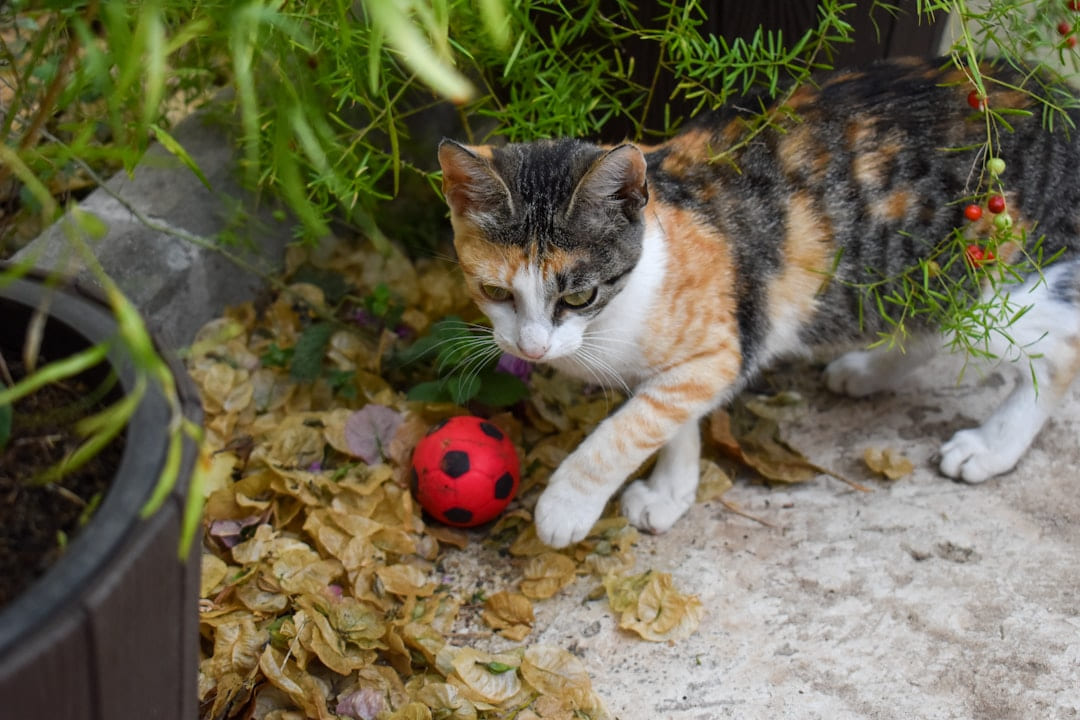
Cat Enrichment: Is It Really Worth It?
vs. Alternatives: Keeping Your Feline Friend Happy Cat Enrichment vs. Alternatives: Keeping Your Feline Friend Happy Let’s face it, cats can be… demanding. They n...
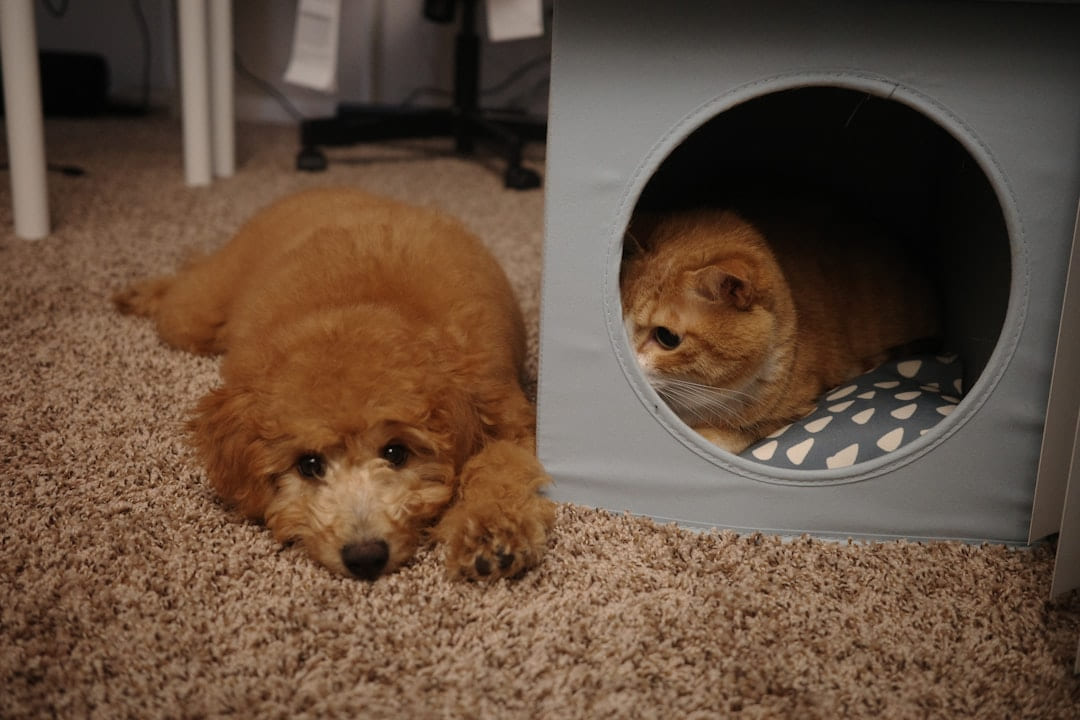
Cat Enrichment: When It’s Not Working
Readers usually get better results when they treat advice as something to test and refine, not something to obey perfectly. That mindset creates room for real.

Cat Enrichment: A Step-by-Step Start
Use cat enrichment: a step-by-step start as a more grounded pet-care guide focused on safety, enrichment, and steady day-to-day routines.