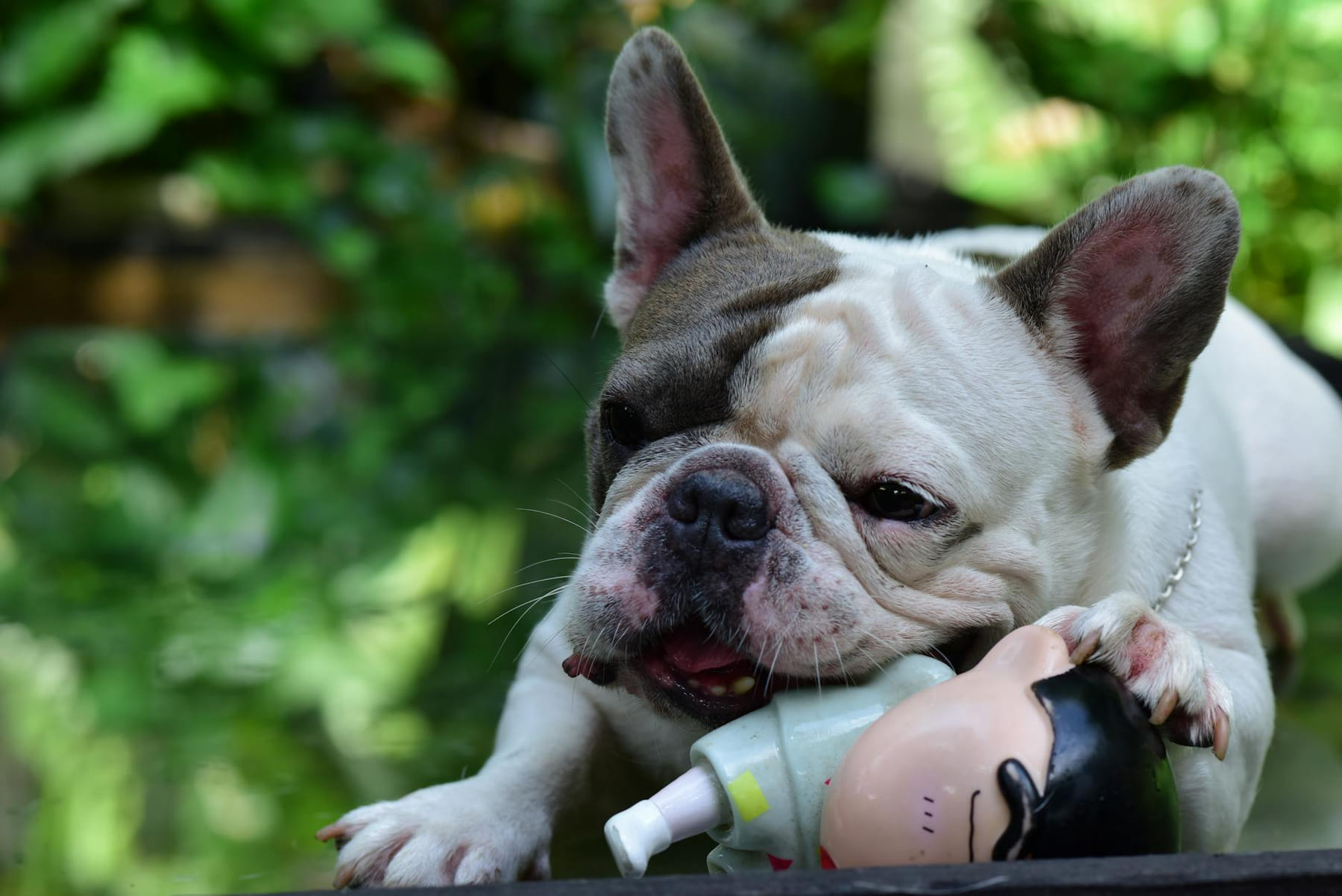
the Right can be easier to approach when you start with a few practical basics.
Understanding Your Dog’s Chewing Style (the Right)
Before you rush out to buy a mountain of toys, it’s helpful to understand how your dog likes to chew. Different dogs have different preferences and chewing intensities. Here’s a quick breakdown:
- Power Chewers: These dogs are relentless! They’ll tackle toys with gusto, often ripping them apart. They need incredibly durable toys made of tough materials.
- Moderate Chewers: These dogs enjoy a good chew session but aren’t overly destructive. They’ll typically work on a toy for a reasonable amount of time before moving on.
- Gentle Chewers: These dogs prefer to suck, lick, and nibble on their toys. They’re less likely to destroy them.
Observing your dog’s chewing habits will help you narrow down your choices and avoid wasting money on toys they’ll quickly demolish. If you’re unsure, start with a few different types and see which ones hold up best.
Top Toy Categories for Chewing
Now, let’s get to the good stuff - the best dog toys for chewing! We’ve categorized them for your convenience:
1. Rubber Chew Toys
Rubber toys are consistently a top choice for a reason. They’re durable, bouncy, and come in a huge variety of shapes and sizes. Look for toys made from non-toxic, BPA-free rubber like natural rubber or Santoprene.
Examples:
- Kong Classic: The undisputed king of chew toys. Its nearly indestructible construction and ability to be stuffed with treats make it a long-lasting favorite.
- West Paw Zogoflex Hurley: A buoyant, recyclable rubber toy that’s perfect for water-loving dogs.
- Nylabone DuraChew: A classic for a reason - these toys are incredibly tough and come in a range of shapes and textures.
2. Rope Toys
Rope toys are fantastic for satisfying a dog’s natural chewing instincts and providing a good workout for their jaws. They also offer opportunities for tug-of-war, making them a great interactive toy. However, always supervise your dog with rope toys, as strands can be ingested if chewed off.
Examples:
- Hurtta Rope Tug: A durable and knotted rope toy that’s perfect for tug-of-war.
- Mammoth Itchy Dog Toy: Made from multiple ropes of varying textures, this toy provides a satisfying chewing and scratching experience.
3. Plush Toys (with Reinforcements!)
Many dogs love the feel and smell of plush toys, but they’re often not the most durable option. If your dog is a power chewer, look for plush toys with reinforced seams and a durable outer fabric. Consider stuffing them with plastic pellets for added weight and durability.
Examples:
- GoDog Plush Bone: These plush toys have a reinforced seam and a durable fabric that can withstand some serious chewing.
- Multipet Lamby Plush Toy: A cuddly and comforting plush toy with a durable construction.
4. Edible Chew Toys
Edible chew toys, like bully sticks and dental chews, offer a double benefit - they satisfy chewing instincts and help clean teeth. However, these should always be given under supervision and in moderation. Choose options with low calorie content to prevent weight gain.
Examples:
- Bully Sticks: A natural, digestible chew that’s a favorite among many dogs.
- Greenies Dental Chews: Designed to help clean teeth and freshen breath.
5. Puzzle Toys for Chewers
Don’t underestimate the power of a good puzzle toy! These toys require your dog to work for their reward (usually a treat), providing mental stimulation and keeping them entertained for longer periods. Look for puzzle toys with durable components that can withstand chewing.
Examples:
- Nina Ottosson by Outward Hound Puzzle Toys: A range of puzzle toys with varying levels of difficulty.
- Trixie Pet Psychologist Activity Brain Teaser: A challenging puzzle toy that will keep your dog entertained for hours.
Safety First: Important Considerations
Choosing the right dog toys is only half the battle. Here are some crucial safety tips:
- Regularly Inspect Toys: Check your dog’s toys regularly for signs of wear and tear. Discard any toys that are damaged or have loose parts.
- Supervise Chew Sessions: Always supervise your dog when they’re chewing on a new toy.
- Choose Non-Toxic Materials: Ensure that all toys are made from non-toxic materials.
- Size Matters: Select toys that are appropriately sized for your dog to prevent choking hazards.
- Rotate Toys: Keep your dog interested by rotating their toys regularly.
Beyond the Toy: Addressing the Root Cause of Chewing
While providing appropriate chew toys is essential, it’s also important to address the underlying reasons why your dog is chewing. If your dog is chewing excessively due to boredom, anxiety, or stress, consider providing more exercise, mental stimulation, and training. Consult with your veterinarian or a certified dog trainer if you’re concerned about your dog’s chewing behavior.
Pick the easiest win first
Most people get better results with Chewing Dogs: Finding the Right Toys when they narrow the decision to one real problem. That could be saving time, trimming cost, reducing friction, or making the routine easier to keep up.
This usually gets easier once you make a short list of priorities. A tighter list tends to produce better decisions than trying to solve every possible problem at once.
Another useful filter is asking what you would still recommend if the budget got tighter, the schedule got busier, or the setup had to be easier for someone else to manage. The answers to that question usually reveal which advice is durable and which advice only works under ideal conditions.
The tradeoff most people notice late
One common mistake with Chewing Dogs: Finding the Right Toys is expecting every option to solve the whole problem. In reality, some choices are better for convenience, some for reliability, and some simply for keeping the budget under control.
Before spending more, it is worth checking the setup, upkeep, and learning curve. Small hassles matter here because they are usually what decide whether something stays useful or gets ignored.
It is easy to underestimate how much clarity comes from removing one unnecessary layer. In practice, trimming one complication often does more for Chewing Dogs: Finding the Right Toys than adding one more feature, one more product, or one more clever workaround.
What makes this easier to live with
The options that age well are usually the ones that are easy to repeat. Reliability and low hassle often matter more than the most impressive-looking feature list.
In a topic like Pet care and pet products, manageable almost always beats impressive. If something is simple enough to keep using, it is usually doing more real work for you.
Readers usually get better results when they treat advice as something to test and refine, not something to obey perfectly. That mindset creates room for real judgment, which is often the difference between content that sounds smart and guidance that is actually useful.
Keep This Practical
If this topic matters to your pet right now, keep the next step calm and practical. A small improvement in safety, enrichment, or routine often makes a bigger difference than buying more at once.
Tools Worth A Look
These picks are most helpful when they improve pet safety, comfort, enrichment, or day-to-day care without adding unnecessary complexity.
- Natural Care Flea and Tick Spray for DogsVirbac C.E.T.® VEGGIEDENT® FR3SH® Tartar Control Chews for Dogs with digestive health support, VOHC Approved, Small 11-22lbsSkout’s Honor Probiotic Natural Dog Shampoo and Conditioner with Avocado Oil & Omega-3s, Gentle Puppy ShampooBlue Buffalo Basics Crunchy Dog Biscuits for Skin & Stomach CareArm & Hammer Tartar Control Dental Spray for Dogs
Some of the links on this page are Amazon affiliate links, which means I may earn a small commission if you make a purchase through them. As an Amazon Associate, I earn from qualifying purchases.
Related ReadingMore from Happy Paws Daily

What is worth knowing about best dog toys for chewers
is easier to make sense of when you break it down into the part that matters most first. Instead of chasing every option at once, it usually helps to focus on what.
Pet Wellness FAQs: What You Need to Know
This is where a little patience pays off. It helps to compare what sounds good on paper with what is realistic for your budget, schedule, space, and comfort level.
Pet Wellness: A Daily Check-In
deserves a little more room than a quick summary because most readers are trying to make a real decision, not just skim a few surface-level tips....