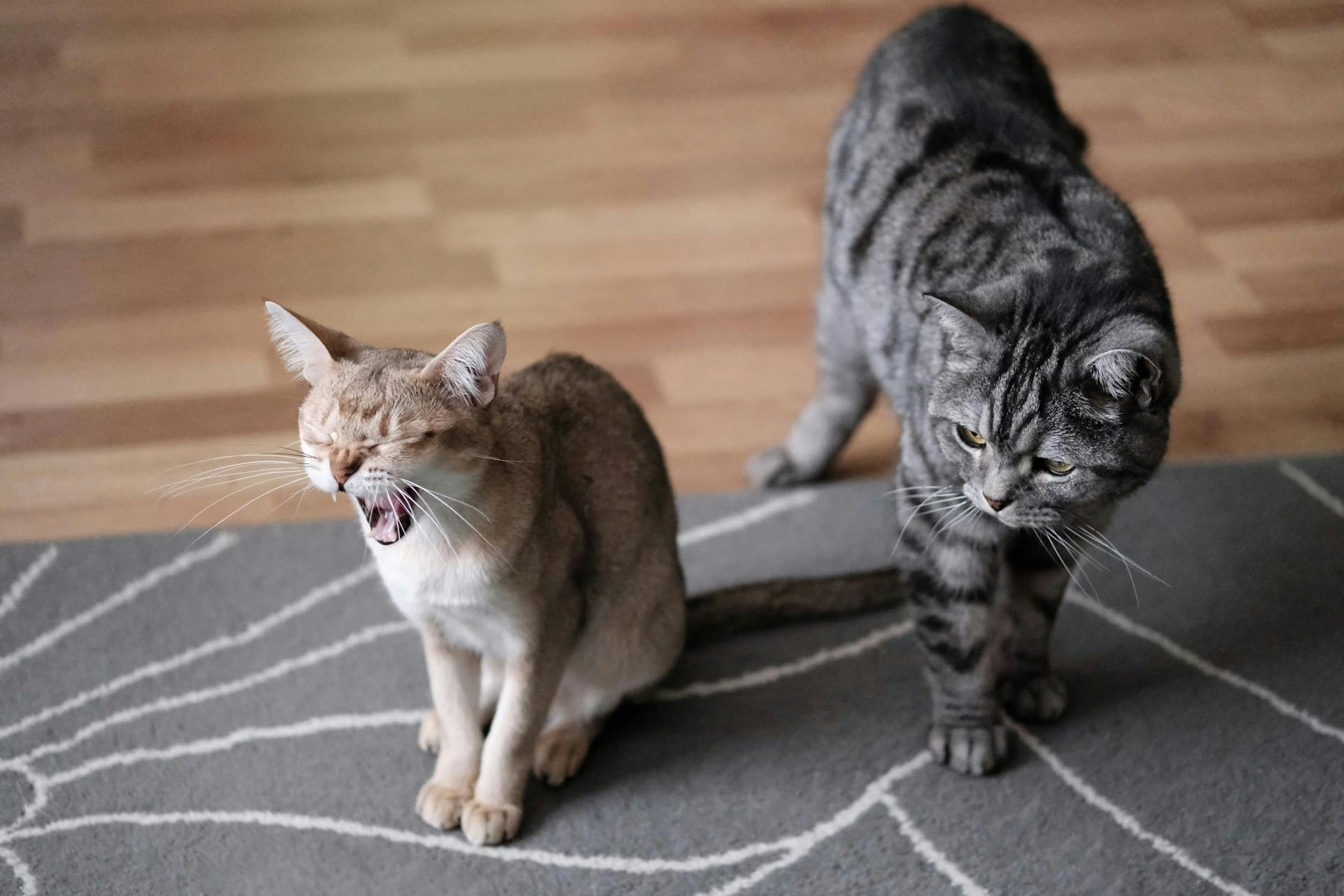
Common Cat Behavior Problems (Decoding Cat Quirks: Behavior)
Decoding Cat Quirks: Behavior can be easier to approach when you start with a few practical basics. Before we jump into solutions, let’s acknowledge the most frequent culprits. Understanding why your cat is behaving a certain way is the first step to addressing it.
- Scratching Furniture: This is arguably the most common complaint. Cats scratch to sharpen their claws, stretch their muscles, and mark their territory.
- Inappropriate Urination: Urinating outside the litter box can be a sign of medical issues, stress, or litter box aversion.
- Excessive Meowing: Cats meow to communicate - hunger, boredom, attention-seeking, or even anxiety.
- Hiding: Hiding is a natural cat behavior, but excessive hiding can indicate fear, stress, or illness.
- Aggression: This can range from swatting to biting and can be triggered by various factors, including fear, pain, or territoriality.
- Destructive Chewing: Cats chew to explore, relieve boredom, or address nutritional deficiencies.
Decoding the "Why": Understanding the Root Cause
It’s crucial to move beyond simply reacting to the behavior and try to understand why it’s happening. Here’s a breakdown of potential causes:
- Medical Issues: Don’t rule out a vet visit! Urinary tract infections, kidney problems, arthritis, dental disease, and hyperthyroidism can all manifest as behavioral changes. A thorough check-up is always the first step.
- Stress & Anxiety: Cats are sensitive creatures. Changes in the household (new pet, new baby, moving, construction), loud noises, or even a change in routine can trigger anxiety.
- Boredom & Lack of Stimulation: A bored cat is a destructive cat. They need mental and physical stimulation.
- Territoriality: Cats are territorial animals. Marking behavior (spraying, scratching) is often a way to establish and defend their territory.
- Litter Box Issues: The litter box itself - the type of litter, the location, the cleanliness - can significantly impact a cat’s willingness to use it.
- Attention-Seeking: Sometimes, a cat’s behavior is simply a way to get your attention, even if it’s negative attention.
Practical Solutions: Addressing Specific Behaviors
Now for the good stuff - solutions! Here’s how to tackle those common cat behavior problems:
1. Scratching Furniture
Solution: Provide appropriate scratching outlets. Offer a variety of scratching posts - vertical, horizontal, cardboard, sisal, carpet - and place them in areas where your cat likes to scratch. Make the scratching posts appealing by rubbing catnip on them. Redirect scratching to the designated posts by gently guiding your cat to them when you see them scratching furniture. Consider using deterrents on the furniture (double-sided tape, aluminum foil) - but always provide an alternative.
2. Inappropriate Urination
Solution: This requires a multi-pronged approach. Start with a vet visit to rule out medical causes. Clean the litter box thoroughly with an enzymatic cleaner to remove all traces of urine odor. Experiment with different types of litter - some cats prefer unscented, others prefer clay, paper, or wood. Increase the number of litter boxes - the general rule is one box per cat plus one extra. Ensure the litter boxes are in quiet, accessible locations, away from food and water. Consider using covered litter boxes if your cat prefers privacy. If anxiety is suspected, consult with your vet about calming aids or pheromone diffusers (like Feliway).
3. Excessive Meowing
Solution: Determine the cause of the meowing. Is your cat hungry? Bored? Lonely? Provide regular meals and playtime. If the meowing is attention-seeking, ignore it when possible. When you do give attention, reward quiet behavior. If the meowing is related to anxiety, address the underlying cause and consider calming aids.
4. Hiding
Solution: Provide safe and comfortable hiding places - boxes, cat caves, blankets. Don’t force your cat out of their hiding place. Let them come out on their own terms. Identify and address any potential stressors in the environment. Increase positive interactions with your cat - gentle petting, play sessions.
5. Aggression
Solution: This is a serious issue and often requires professional help. Consult with a veterinary behaviorist or certified cat behavior consultant. Never punish your cat - this will only increase their fear and anxiety. Identify the triggers for the aggression and work to avoid them. Provide plenty of enrichment to reduce boredom and frustration. Consider using calming aids.
Enrichment & Prevention: Keeping Your Cat Happy
Preventing behavioral problems is always easier than correcting them. Here are some key strategies:
- Playtime: Engage your cat in at least 15-20 minutes of interactive play per day. Use toys that mimic hunting behavior - feather wands, laser pointers (use sparingly and never shine directly in their eyes), toy mice.
- Puzzle Feeders: These slow down eating and provide mental stimulation.
- Vertical Space: Cats love to climb and observe from high places. Provide cat trees, shelves, and window perches.
- Environmental Enrichment: Rotate toys regularly to keep things interesting. Provide scratching posts, hiding places, and opportunities for exploration.
- Routine: Cats thrive on routine. Maintain a consistent feeding schedule, playtime schedule, and litter box cleaning schedule.
When to Seek Professional Help
If you’ve tried these solutions and your cat’s behavior isn’t improving, or if the behavior is severe (e.g., aggression, self-harm), it’s time to seek professional help. A veterinary behaviorist or certified cat behavior consultant can provide a more in-depth assessment and develop a tailored treatment plan. Don’t hesitate to reach out - your cat’s well-being is worth it!
Focus on the part that solves the problem
In a topic like Pet care and pet products, the strongest starting point is usually the one you will notice and use right away. That is often more helpful than adding extra features too early.
Before spending more, it is worth checking the setup, upkeep, and learning curve. Small hassles matter here because they are usually what decide whether something stays useful or gets ignored.
It is easy to underestimate how much clarity comes from removing one unnecessary layer. In practice, trimming one complication often does more for Decoding Cat Quirks: Behavior Tips than adding one more feature, one more product, or one more clever workaround.
Where extra features get in the way
Another easy trap is copying a setup that made sense for someone with a different routine, budget, or tolerance for maintenance. In Pet care and pet products, that mismatch is often what makes a promising idea feel frustrating later.
A lot of options sound great until you picture them in a normal week. If the setup is fussy, the routine is easy to forget, or the maintenance is annoying, the appeal fades quickly.
There is also value in keeping one part of the process deliberately simple. Readers often do better when they identify the one decision that carries the most weight and make that choice carefully before they chase smaller optimizations. That keeps momentum steady and usually prevents the topic from turning into clutter.
Keep This Practical
The most helpful pet-care changes are usually the ones your animal can feel right away: more comfort, clearer routines, and less daily stress. Start there and build steadily.
Tools Worth A Look
If you want a practical next step for your pet's routine or setup, the recommendations below are the best fit.
- Pet MD Dog Ear Cleaning Wipes – Otic Cleanser for Dogs, Soothing Ear Care with Aloe Vera & Eucalyptus, Regular Wipes, 100 CountSilent Groom Pro Pet Nail Grinder - Whisper Quiet Claw Trimmer for Dogs, Cats and Other Animals - Safe & Stress Free Nail GroomingUnique Pet Odor and Stain Eliminator Liquid ConcentrateBALANCE Dog Crate Pad, Dog Foam Crate Mat Kennel Pad, Washable Water-Resistant Pet Bed Flat Dogs Cage Mat for Small DogsCritical Immune Defense for Dogs and Cats Supports Normal Cell Growth
Some of the links on this page are Amazon affiliate links, which means I may earn a small commission if you make a purchase through them. As an Amazon Associate, I earn from qualifying purchases.
Related ReadingMore from Happy Paws Daily

Cat Behavior on a Budget: Simple Steps
Before we dive into the budget tips, let’s get a clear picture of where your money is going. Cat ownership costs vary greatly depending on your location, your.

Cat Quirks: Understanding Their Behavior
vs. Alternatives: Understanding *Why* Your Cat Does What They Do Let’s be honest, having a cat is a pretty wonderful thing. Those quiet purrs, the playful.

Decoding Cat Behavior: A Step-by-Step Look
A clearer look at cat behavior patterns so you can read body language, stress signals, and daily habits without overreacting to every unusual moment.