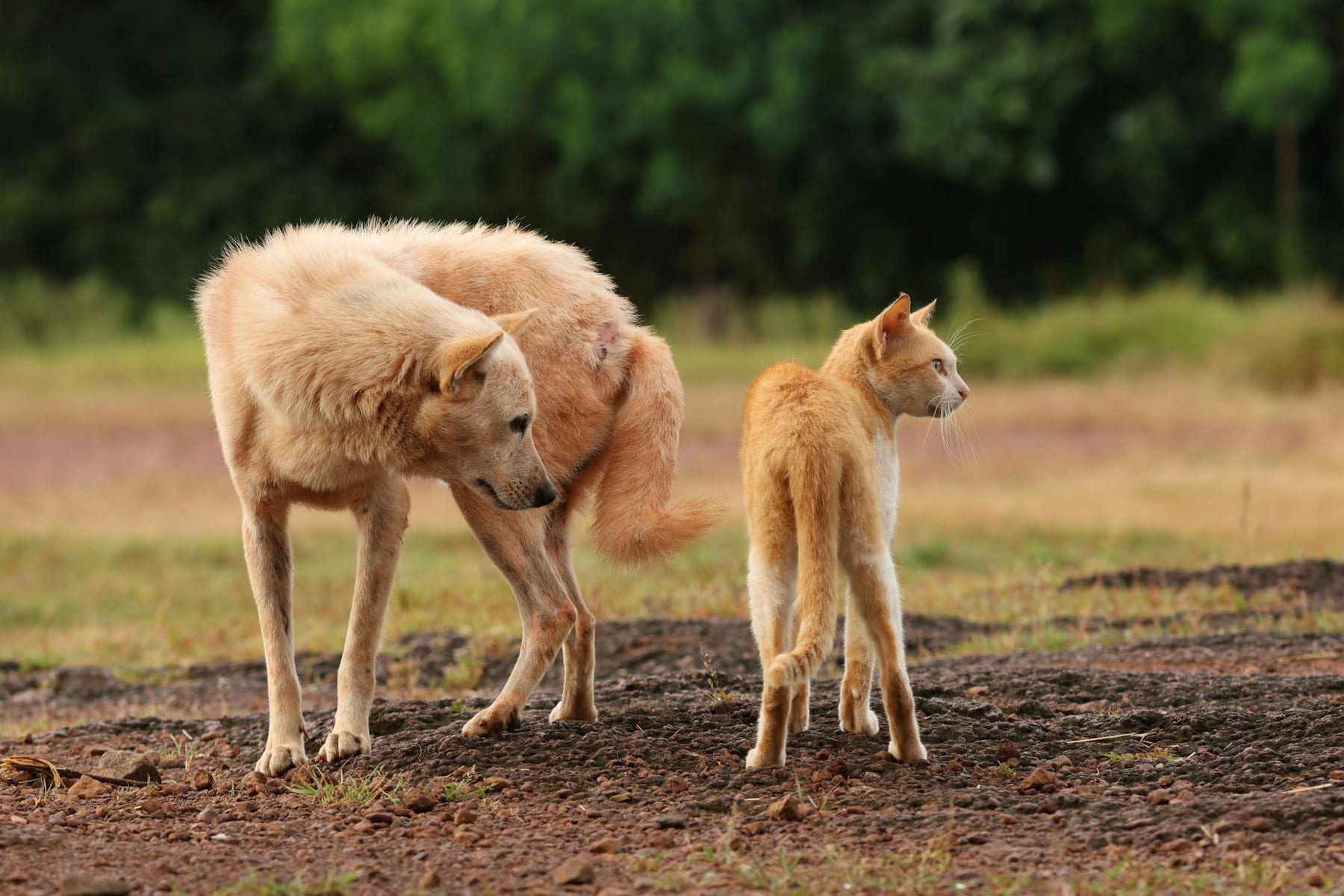
Building a can be easier to approach when you start with a few practical basics. Every dog has their quirks, and let’s be honest, training a dog can feel like navigating a delightful, sometimes chaotic, adventure. It’s completely normal to encounter challenges along the way. The good news is that with patience, understanding, and the right approach, you can build a well-behaved and happy companion. Here are some of the most common training hurdles and practical strategies to address them, designed to help you build a stronger bond with your furry friend.
- Leash Pulling: This is arguably the most frequently reported training issue. Leash pulling isn’t about dominance; it’s almost always about motivation. Your dog is simply finding that pulling gets them where they want to go - closer to the exciting smells, the interesting sights, or perhaps just a bit more attention. The key to loose-leash walking is to change your dog’s motivation. Instead of pulling you forward, they need to learn that walking nicely beside you, with a relaxed posture, is rewarding. This requires consistent effort and a shift in your own walking style. A front-clip harness can be a really helpful tool - it gently redirects their movement, making it less appealing to pull and allowing you to maintain control without feeling like you’re constantly dragging them. Consider a head halter as another option, which provides more control over the dog's head and neck.
- Jumping: Jumping is a common behavior, especially in puppies and young dogs. Often, it’s a way to get attention, express excitement, or simply greet people. Ignoring the jump is crucial. Turning your back and avoiding eye contact removes the reward - the attention they’re seeking. Only give them attention when all four paws are on the ground. Redirect their attention with a toy they love, a command they know well like “sit,” or a high-value treat. Consistency is vital here. Every time they jump, consistently ignore the behavior and reward the desired action (all four paws on the ground).
- Barking: Barking is a complex behavior with many potential causes. It can be a sign of boredom, anxiety, territoriality, excitement, or simply a way to communicate. Figuring out *why* they’re barking is the first step. If it’s boredom, provide more exercise and mental stimulation - puzzle toys, training sessions, and interactive games can all help. If it’s anxiety, address the underlying cause. This might involve desensitization and counter-conditioning techniques, consulting with a veterinary behaviorist, or using calming aids like pheromone diffusers. “Quiet” is a useful command to teach - reward them for stopping barking, even for a brief moment. Start by rewarding quiet periods and gradually increase the duration.
- Chewing: Chewing is a natural and important behavior for puppies and young dogs. However, destructive chewing can be a frustrating problem. Provide plenty of appropriate chew toys - durable rubber toys, rope toys, and puzzle toys that dispense treats are all great options. Rotate the toys regularly to keep them interesting. Make sure they don’t have access to items they shouldn’t be chewing on - put away shoes, books, and other valuables. Management is key here; puppy-proof your home and create a safe space where they can chew without causing damage.
Socialization Strategies & Clicker Training
Early socialization is absolutely vital for a well-adjusted dog. It’s arguably the most important period in a dog’s development, typically between 8 and 16 weeks of age. During this time, their brains are incredibly receptive to new experiences, and exposure to a wide variety of people, dogs, places, and sounds in a safe and controlled way can dramatically shape their future behavior. Think puppy classes, visits to dog-friendly parks (always supervised!), gentle introductions to new people - even brief interactions with well-behaved, vaccinated adult dogs - and exposing them to different noises like traffic, sirens, and children playing. It’s about creating positive experiences, not overwhelming them. A key element is controlled exposure. Start with short, positive interactions and gradually increase the duration and intensity as your puppy becomes more comfortable. If your puppy shows signs of fear or anxiety, back off and try again later with a less intense stimulus.
Clicker Training is a fantastic technique that can significantly speed up the learning process. A clicker is a small device that makes a distinct clicking sound. The clicker becomes associated with a reward - you click then give the treat. The click itself is a marker signal; it tells the dog exactly what they did right. It’s a way to mark the exact moment your dog performs the desired behavior. It’s crucial to build a strong association between the click and the reward - practice clicking and treating repeatedly until your dog understands that the click always means something good is coming. The clicker provides instant feedback, which helps them understand what they’re doing right, far more effectively than simply saying “good dog.” Beyond basic commands, clicker training is excellent for shaping complex behaviors.
Creating a Positive Training Environment
Beyond the techniques themselves, the environment in which you train plays a huge role. Choose a quiet location with minimal distractions. Start with short training sessions (5-10 minutes) and gradually increase the duration as your dog’s attention span grows. Keep the sessions positive and fun! End each session on a successful note, even if it’s just a simple command they’ve mastered. Use a cheerful tone of voice and plenty of praise. Avoid punishment-based training methods, as these can damage your relationship with your dog and create fear and anxiety.
Consistency & Troubleshooting
Building a strong bond with your dog is the ultimate reward. Training isn't just about obedience; it’s about deepening your connection and creating a truly happy partnership. It’s a journey of mutual respect and understanding, and the rewards - a well-behaved, confident, and loving companion - are well worth the effort.
Keep This Practical
Good pet decisions tend to be simple, observant, and consistent. Focus on one change that improves your animal's environment or routine, then watch how they respond before adding more.
Tools Worth A Look
The products here make the most sense when they support calmer, safer, or more enjoyable care for the animal in front of you.
- Burt's Bees for Pets Cat Dander Remover Wipes, Unscented Soft Grooming ClothsArm & Hammer Complete Care Dental Water Additive for DogsOVIK Health PetFlex No Chew – Flexible Self-Adhering Elastic Bandage for Wound Care – First Aid Wrap for Small Animals Like Dogs, Cats, and Other PetsPet Fur Care Oil - Detangles, Reduces Shedding - Adds Shine with Collagen & Natural OilsWuffes Advanced Dog Hip and Joint Supplement with Glucosamine, Chondroitin, Omega 3, MSM, and Green Lipped Mussel, 60 Pork Flavored Chews
Some of the links on this page are Amazon affiliate links, which means I may earn a small commission if you make a purchase through them. As an Amazon Associate, I earn from qualifying purchases.
Related ReadingMore from Happy Paws Daily
Dog Training: A Daily Dose of Tips
Tips & Budget-Friendly Strategies Remember that feeling when you first brought your new dog home - the excitement, the cuddles, the sheer joy? The...
Dog Training FAQs: Your Quick Answers
Use dog training faqs: your quick answers as a more grounded pet-care guide focused on safety, enrichment, and steady day-to-day routines.
Dog Training Ideas for a Happier Pup
Tips & Budget-Friendly Strategies Remember that feeling when you first brought your new dog home - the excitement, the cuddles, the sheer joy? The...