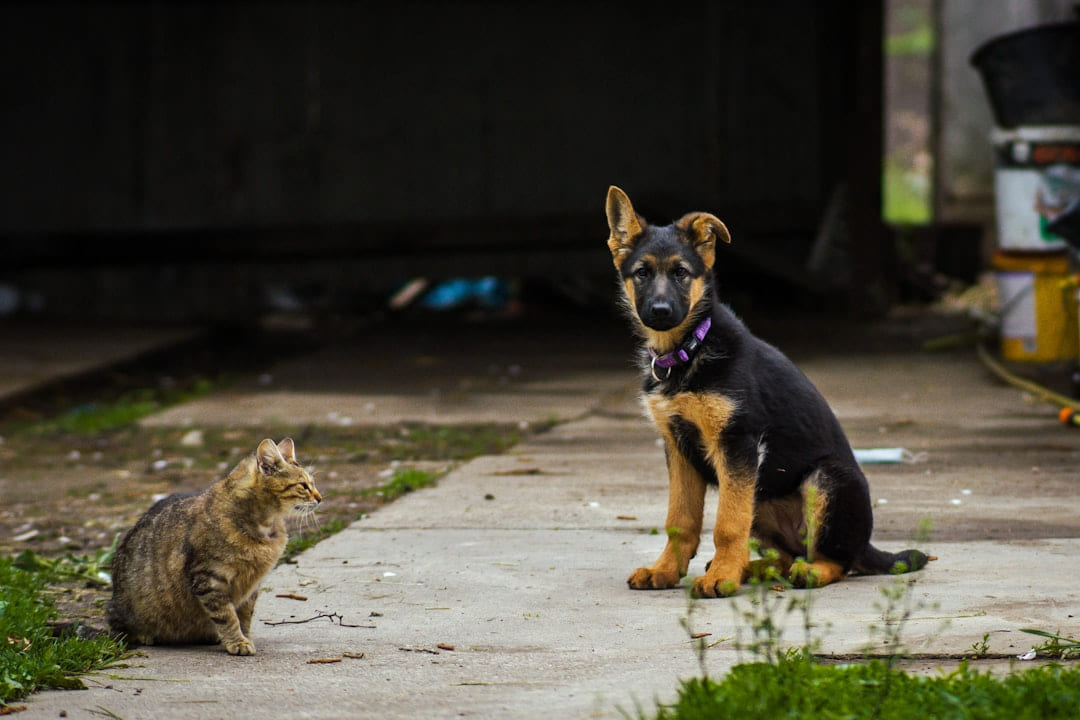
Dog Training on a Budget: Simple Tips: Readers usually get more value from this kind of topic when the guidance is concrete enough to try in real life instead of staying abstract.
Remember That Feeling When You First
Remember that feeling when you first brought your new dog home - the excitement, the cuddles, the sheer joy? Then, a few weeks in, you might notice a little bit of…well, a lot of energy! Getting your dog to behave well is a big part of building a happy relationship, but professional classes and private trainers can quickly add up. In 2026, finding affordable ways to shape good habits is more important than ever. This article is all about getting your dog behaving beautifully without emptying your wallet. We’re focusing on positive reinforcement - because it’s the kindest and most effective way to train - and showing you how to do it on a budget.
The Power of Positive Reinforcement
Let’s be honest, the idea of “punishing” your dog just doesn’t feel right to most of us, and research consistently shows it’s not the most effective approach. Punishment often leads to fear, anxiety, and a breakdown in trust. Instead, positive reinforcement is about rewarding the behaviors you want to see. It’s simple: when your dog does something right, you give them something they enjoy - a tasty treat, a cheerful “Good boy!”, a favorite toy, or even a good scratch behind the ears. The goal isn’t to force compliance; it’s to create a positive association with what you’re asking them to do. Think of it like this: you wouldn’t try to motivate a child with a scolding, would you? Dogs respond best to encouragement and rewards.
Free Training Methods - Start Building
Free Training Methods - Start Building Good Habits Today! The best option is usually the one that makes the animal's routine safer, calmer, or easier to understand.
You Don’t Need Fancy Equipment Expensive
You don’t need fancy equipment or expensive classes to start training your dog. There are several incredibly effective methods you can use right now, completely free. Let’s look at a few: If this reduces stress for both the pet and the person caring for them, it is a strong signal to keep it.
Affordable Tools & Supplies - Small
Okay, let’s talk about the stuff you might need. While you can train your dog with just your voice and a few treats, a few inexpensive tools can make the process easier and more enjoyable. Practical pet care tends to work best when the change is easy to repeat and easy for the animal to tolerate.
What To Do Next
Use the ideas above to choose one clear next move, test it in your own situation, and keep refining from there. That approach tends to produce better long-term decisions than trying to solve everything at once.
Remember that feeling when you first brought your new dog home - the excitement, the cuddles, the sheer joy? Then, a few weeks in, you might notice a little bit of…well, a lot of energy! Getting your dog to behave well is a big part of building a happy relationship, but professional classes and private trainers can quickly add up. In 2026, finding affordable ways to shape good habits is more important than ever. This article is all about getting your dog behaving beautifully without emptying your wallet. We’re focusing on positive reinforcement - because it’s the kindest and most effective way to train - and showing you how to do it on a budget.
The Power of Positive Reinforcement
Let’s be honest, the idea of “punishing” your dog just doesn’t feel right to most of us, and research consistently shows it’s not the most effective approach. Punishment often leads to fear, anxiety, and a breakdown in trust. Instead, positive reinforcement is about rewarding the behaviors you want to see. It’s simple: when your dog does something right, you give them something they enjoy - a tasty treat, a cheerful “Good boy!”, a favorite toy, or even a good scratch behind the ears. The goal isn’t to force compliance; it’s to create a positive association with what you’re asking them to do. Think of it like this: you wouldn’t try to motivate a child with a scolding, would you? Dogs respond best to encouragement and rewards.
Free Training Methods - Start Building Good Habits Today!
- Shaping: This is all about breaking down complex behaviors into tiny, manageable steps. Let’s say you want to teach your dog to “sit.” You might start by rewarding them for just lowering their rear end a little bit. Then, you only reward them when they lower it further. Slowly, you’re shaping them into the full “sit” position. It’s a gradual process, but it’s incredibly effective.
- Luring: This involves using a treat to gently guide your dog into the desired position. Hold a treat near their nose and move it upwards and back, encouraging them to follow it with their head and body until they naturally sit. Once they’re in the “sit,” reward them!
- Capturing: This is where you reward your dog for spontaneously performing the behavior you want. If your dog happens to sit on their own, immediately say “Sit!” and give them a treat. They’ll start to associate the word “Sit” with the action. These techniques are surprisingly powerful, and they require minimal investment. The key is consistency and patience - both with your dog and with yourself!
Affordable Tools & Supplies - Small Investments, Big Impact
- Clicker Training: A clicker is a small device that makes a distinct clicking sound. It’s used to mark the exact moment your dog performs the desired behavior. The click becomes associated with a reward, creating a clear signal for your dog. You can find good quality clickers for around $5 to $10 at most pet stores or online. (Affiliate link suggestion: )
- Treat Pouches: These handy pouches keep your treats organized and easily accessible, especially when you’re on the go. You can find simple, zippered pouches for just a few dollars - around $8 to $15. (Affiliate link suggestion: )
- DIY Training Aids: Get creative! A cardboard box with holes can become a puzzle toy, challenging your dog to figure out how to get a treat. You can also create simple targets using cardboard tubes or pool noodles to teach your dog to “touch.”
- Low-Cost Treat Options: Don’t feel like you need to buy expensive, specialized training treats. Small pieces of cooked chicken, plain yogurt, or even carrot sticks can be highly motivating rewards. Focus on healthy, calorie-appropriate options.
Socialization on a Budget - Expanding Your Dog’s World
- Dog Parks (Safely): Dog parks can be great opportunities for socialization, but always supervise your dog closely and ensure they’re playing appropriately. Start with short visits and gradually increase the time as your dog becomes more comfortable.
- Supervised Playdates: Arrange playdates with friends’ dogs you trust. Keep the interactions short and positive, and always intervene if you see any signs of tension.
- Walks in Varied Environments: Simply taking your dog for walks in different locations - parks, trails, neighborhoods - exposes them to new sights, sounds, and smells. When introducing your dog to new people and dogs, always let them approach at their own pace. Keep your dog on a leash initially, and watch for body language cues - a relaxed posture, wagging tail, and friendly sniff are good signs. If your dog seems fearful or anxious, give them space and slowly build their confidence.
Troubleshooting Common Issues - Addressing the Everyday
- Jumping: Jumping is a common behavior, especially in puppies. The easiest solution is redirection - when your dog jumps, immediately say “Off!” and guide them to a different behavior, like “Sit.” Consistency is key.
- Excessive Barking: Barking can be caused by boredom, anxiety, or excitement. Short, frequent training sessions can help. Teach your dog a “Quiet” command. Redirection - offering a toy or puzzle - can also help distract them. If the barking is persistent, consider consulting with a trainer to address the underlying cause.
Conclusion
Keep This Practical
Good pet decisions tend to be simple, observant, and consistent. Focus on one change that improves your animal's environment or routine, then watch how they respond before adding more.
Tools Worth A Look
The products here make the most sense when they support calmer, safer, or more enjoyable care for the animal in front of you.
- Natural Dog Company Wrinkle Balm for Dogs – Dog Wrinkle Balm for Skin Folds, Facial Creases & Wrinkles, Lick-Safe Wrinkle Cream for Bulldogs, PugsPalmers for Pets Detangling & Conditioning Spray with Cocoa Butter 8 Fl Oz; Leave-in Dog Conditioner with Vitamin E and Cocoa Butter, De-Matting SprayPaw Cleaner for Dogs and Cats,Magic Foam - Clean Paws No-Rinse Foaming CleanserDog Allergy Relief Immunity ChewsMiracle Care Eye Wash Pads, 90 Single Use Pre-Soaked Pads to Gently Clean and Soothe Dog and Cat Eyes
Some of the links on this page are Amazon affiliate links, which means I may earn a small commission if you make a purchase through them. As an Amazon Associate, I earn from qualifying purchases.
Related ReadingMore from Happy Paws Daily
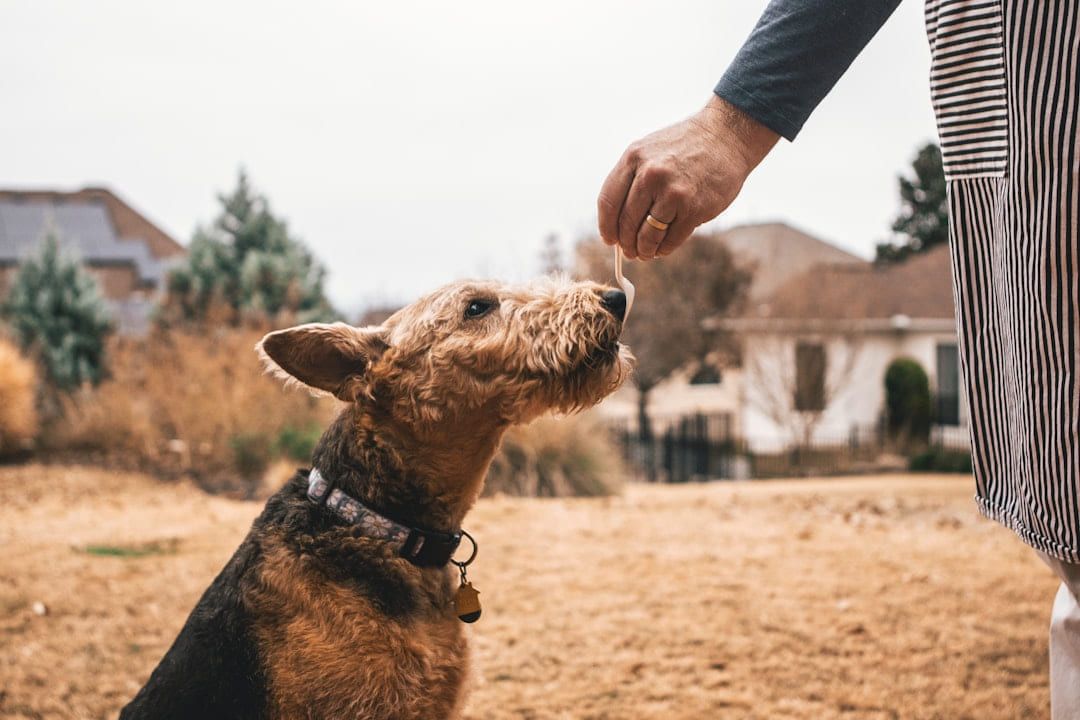
Dog Training: A Daily Dose of Tips
Tips & Budget-Friendly Strategies Remember that feeling when you first brought your new dog home - the excitement, the cuddles, the sheer joy? The...
Dog Training FAQs: Your Quick Answers
Use dog training faqs: your quick answers as a more grounded pet-care guide focused on safety, enrichment, and steady day-to-day routines.
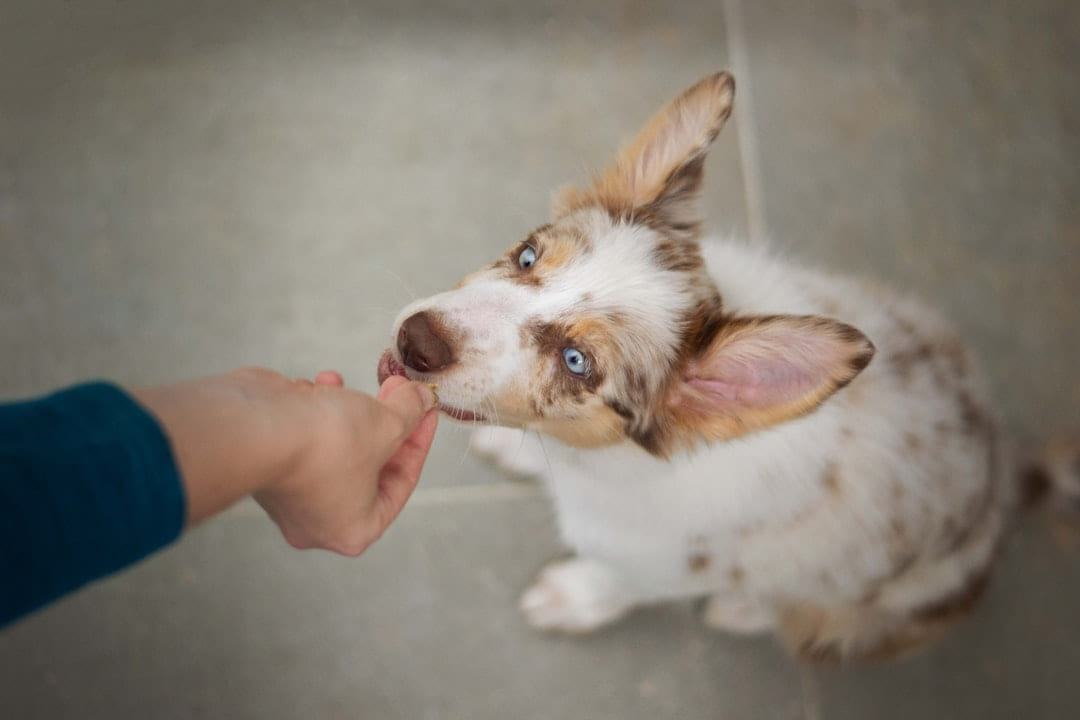
Dog Training Ideas for a Happier Pup
Tips & Budget-Friendly Strategies Remember that feeling when you first brought your new dog home - the excitement, the cuddles, the sheer joy? The...