Let’s be honest, the internet is overflowing with “dog training tips.” You’ve probably scrolled through countless articles promising instant obedience, showcasing complicated tricks, and suggesting harsh corrections. But here’s a secret: true, lasting dog training goes way beyond just a list of commands. It’s about something much deeper, something that builds a genuine connection with your canine companion. In practice, effective dog training isn’t about controlling your dog; it’s about connecting with them. It’s about understanding their needs, respecting their instincts, and building a relationship based on trust and mutual respect. Let go of the rigid “tips” and focus on creating a positive and rewarding experience for both you and your furry friend. A happy dog is a well-trained dog, and a well-trained dog is a joy to be around. And that, I believe, is a truly worthwhile goal.
As Erin Larkin, a certified Veterinary Technician Assistant and a lifelong advocate for holistic animal wellness, I’ve spent years observing dog behavior and working with pet owners. My own journey started with Gus, my childhood terrier mix - his unwavering loyalty taught me the profound importance of understanding and nurturing the bond between humans and animals. This experience fuels my belief that training isn’t about dominance, but about partnership. So, what is the alternative to simply following a list of “tips”? Let’s dive in.
Understanding the ‘Why’ Behind the Behavior
Before you even think about commands or tricks, it’s crucial to understand why your dog is doing what they’re doing. Dogs don’t understand “sit” in the same way we do. They respond to motivation - to what’s rewarding for them. A dog might bark at the door because they’re feeling anxious, bored, or alerting you to something. A dog might chew on your shoes because they’re experiencing stress or seeking attention. Ignoring the underlying cause and simply punishing the behavior is rarely effective and can actually worsen the problem.
Think of it like this: if someone keeps telling you to “stop” when you’re feeling sad, you’ll likely become more anxious and withdrawn. You need to address the sadness first. Similarly, with dogs, we need to identify the root of the behavior before we can effectively address it. This often involves observing your dog's body language - are they yawning, lip licking, whale eye (showing the whites of their eyes)? These are all signs of stress or discomfort.
Building a Foundation of Positive Reinforcement
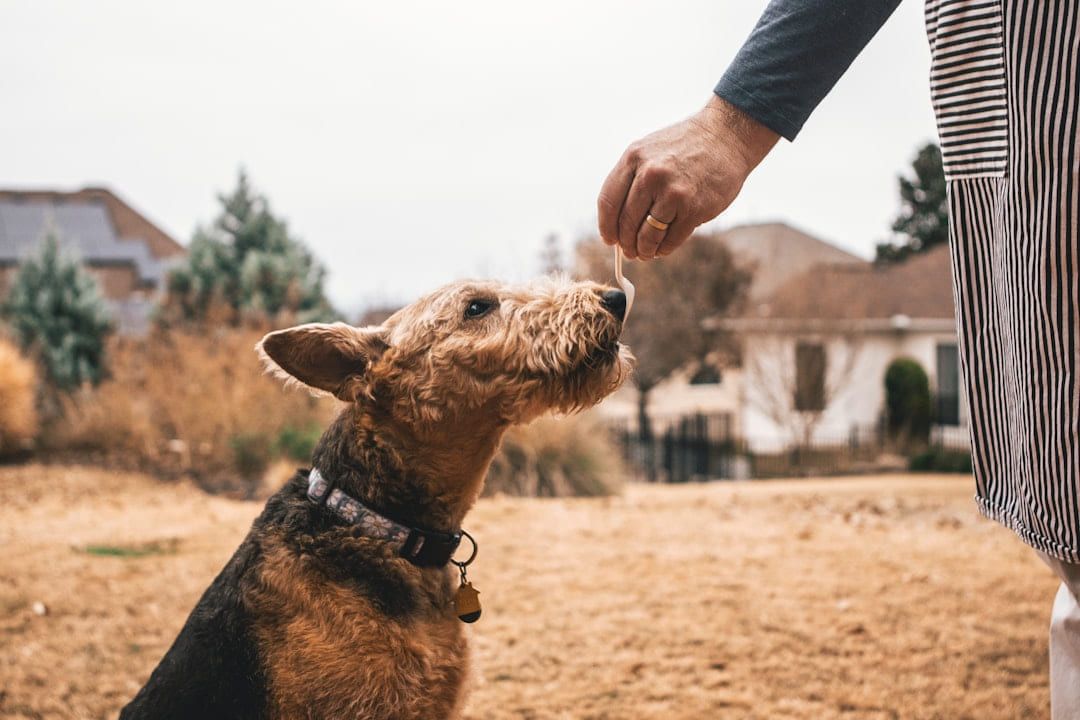
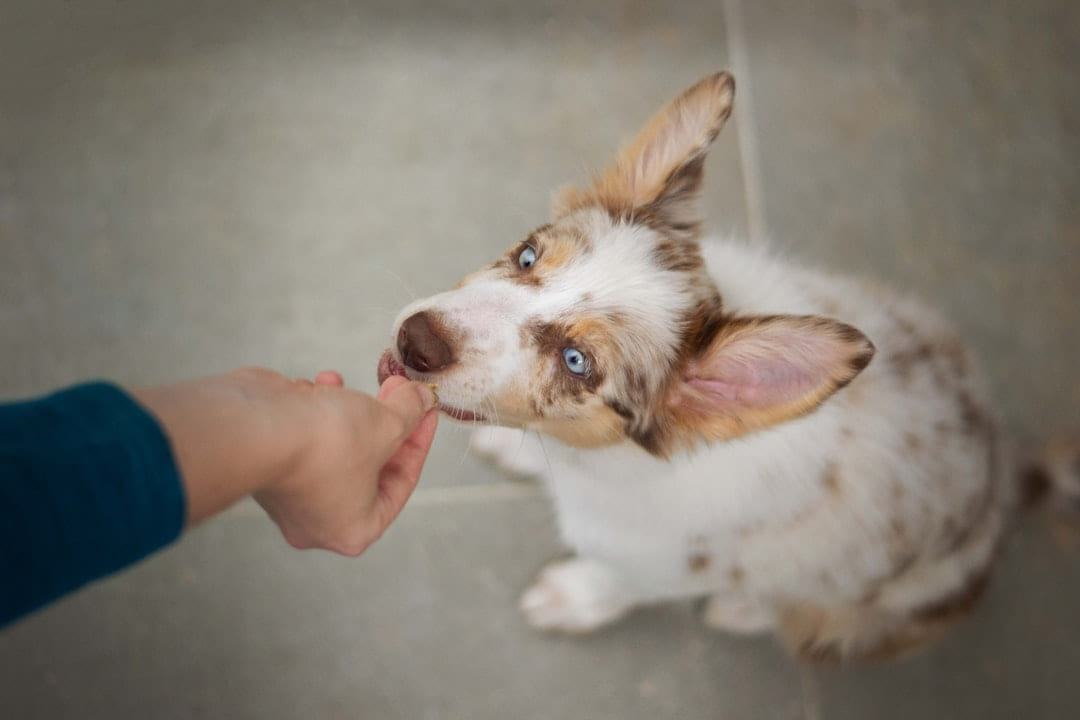
Instead of relying on punishment or forceful corrections, positive reinforcement is the cornerstone of truly effective dog training. This means rewarding desired behaviors with something your dog loves - whether it’s treats, praise, a favorite toy, or even a simple scratch behind the ears. The key is to make the reward immediately contingent on the behavior you want to encourage. For example, when your dog is sitting calmly, immediately say “Good sit!” and give them a treat.
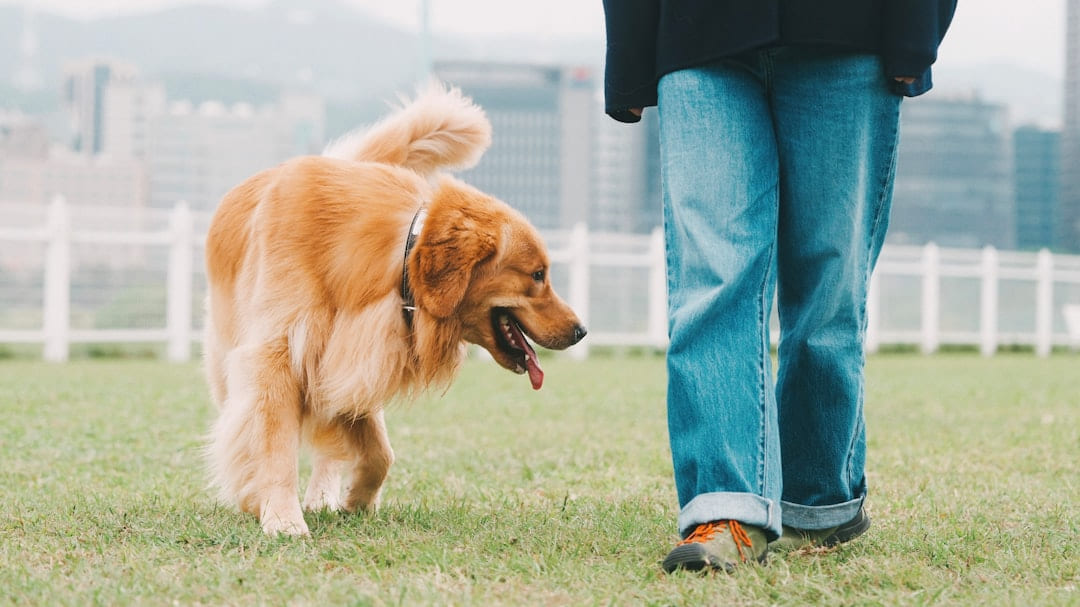
Let’s look at a practical example. Say you’re working on loose-leash walking. Instead of pulling on the leash every time your dog pulls, stop walking immediately when they pull. Wait for them to release the tension on the leash, even if it’s just for a second, and then praise them and continue walking. This teaches them that pulling doesn’t get them anywhere - it stops their progress. Consistency is key here. Every single time they pull, you stop. It takes patience, but it’s far more effective than constantly fighting the pull.
Communication is Key: Beyond the Commands
Training isn't just about teaching commands; it’s about establishing clear communication. Dogs thrive on predictability. Using consistent cues, body language, and tone of voice helps them understand what you expect of them. For instance, if you’re going for a walk, use a specific phrase like “Let’s go!” to signal the start of the outing. And always pair that phrase with a positive action, like opening the door.
Body language also plays a huge role. Dogs are incredibly perceptive and can read our emotions. If you’re stressed or frustrated, your dog will pick up on that and may become anxious themselves. Aim for a calm and confident demeanor when you’re training. Mirroring your dog’s body language can also be helpful - if they’re relaxed, try to relax too. This creates a sense of connection and trust.
Socialization: A Lifelong Process
Socialization is arguably one of the most important aspects of dog training, particularly during puppyhood. Exposing your puppy to a wide variety of sights, sounds, people, and other dogs in a positive and controlled way helps them develop into well-adjusted adults. This doesn't mean throwing your puppy into a chaotic dog park - it means carefully introducing them to new experiences one at a time, ensuring they have positive associations with each encounter.
Consider a shy puppy. Instead of forcing them into a crowded dog park, start with short, positive interactions with calm, friendly dogs. Pair these interactions with high-value treats and lots of praise. Gradually increase the duration and complexity of the interactions as your puppy becomes more comfortable. Similarly, expose them to different noises - traffic, fireworks, children playing - in a controlled setting, rewarding them for remaining calm.
Addressing Problem Behaviors with Empathy
Now, let’s talk about those challenging behaviors - the barking, chewing, digging, or jumping. Instead of reacting with frustration, try to understand the function of the behavior. Is the barking a demand for attention? Is the chewing a way to relieve boredom? Is the digging a way to escape anxiety?
For example, if your dog is barking excessively at the window, you could try redirecting their attention with a chew toy or a training exercise. If they’re chewing on furniture, make sure they have plenty of appropriate chew toys available and consider using a crate or providing a safe space where they can relax when you’re not able to supervise them. Consulting with a certified professional dog trainer or veterinary behaviorist can be incredibly helpful in addressing more complex behavioral issues.
Ongoing Learning and Patience
Dog training isn’t a one-time event; it’s an ongoing process. Just like humans, dogs learn at different paces and may require ongoing reinforcement. Continue to practice commands and engage in positive interactions with your dog throughout their life. And remember, patience is paramount. There will be setbacks along the way, but don't get discouraged. Celebrate small successes and focus on building a strong, loving relationship with your furry friend.
Ultimately, training is about building a deeper connection with your dog - a connection built on understanding, respect, and a shared love. It’s about moving beyond just “tips” and embracing a holistic approach to their well-being. And that, I believe, is a truly rewarding journey for both of you.
Keep This Practical
If this topic matters to your pet right now, keep the next step calm and practical. A small improvement in safety, enrichment, or routine often makes a bigger difference than buying more at once.