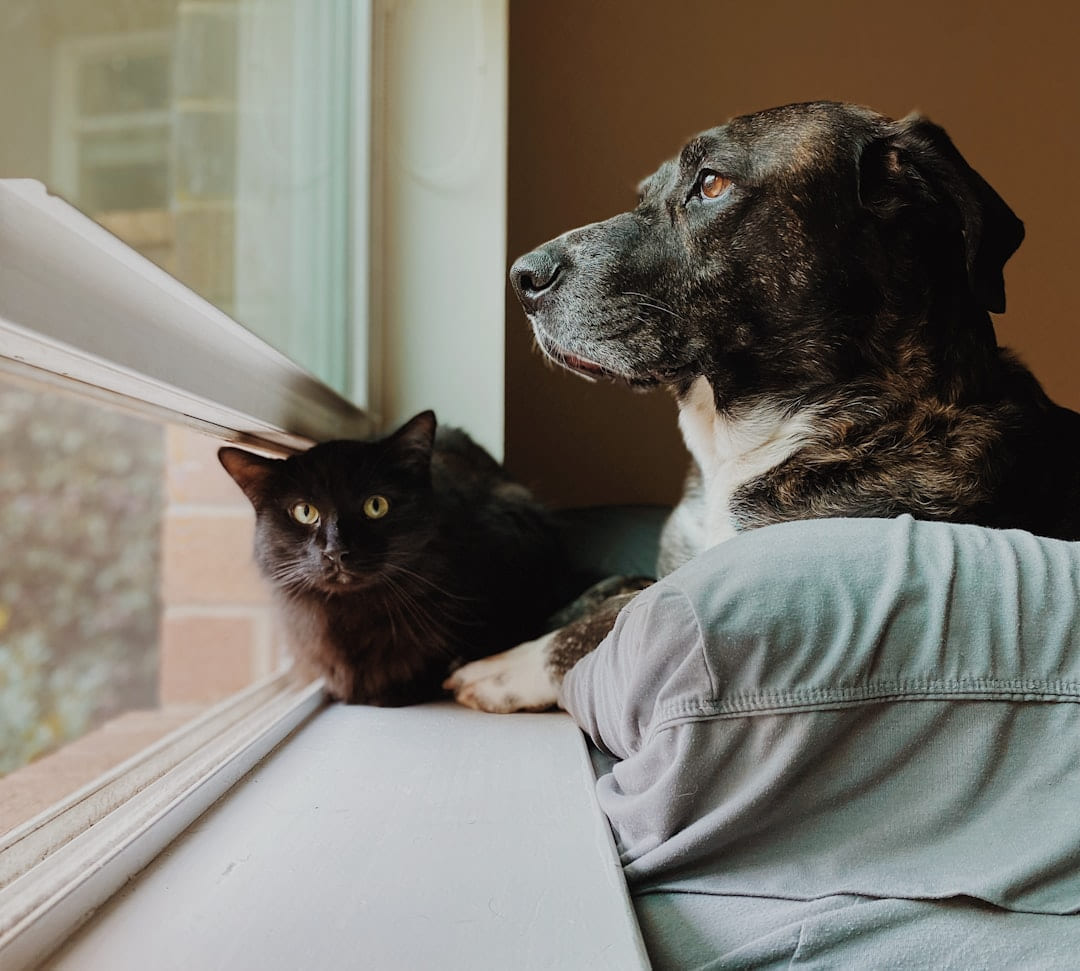
Why Enrichment Matters (More Than You Think) (Enrichment Troubles? Let’s)
Enrichment Troubles? Let’s can be easier to approach when you start with a few practical basics. Before we jump into troubleshooting, let’s quickly revisit why enrichment is so crucial. Pets, particularly dogs and cats, are intelligent creatures. When they’re bored, they’ll find their own entertainment, which can often lead to destructive behaviors like chewing furniture, excessive barking, or scratching carpets. Enrichment combats this by providing appropriate outlets for their natural instincts. Think about it: a dog’s instinct to hunt, forage, explore, and dig, or a cat’s drive to stalk, pounce, and climb. Without opportunities to satisfy these instincts, they can become frustrated and anxious.
Enrichment isn’t just about preventing bad behavior, though. It’s also fantastic for their mental well-being. Just like humans, pets benefit from mental stimulation. It reduces stress, improves cognitive function, and strengthens the bond between you and your pet. A mentally stimulated pet is a happier, calmer pet.
Common Signs Your Pet Isn't Engaged
It’s not always obvious when a pet isn’t enjoying an enrichment activity. Here are some subtle signs to watch out for:
- Ignoring the toy completely: This is a big one. If your pet consistently avoids a new toy or activity, it’s a strong indicator that it’s not appealing.
- Brief interest followed by disinterest: A quick sniff and then a walk away suggests the item isn’t capturing their attention.
- Repetitive behaviors: If your pet is simply spinning a wheel, batting at a toy repeatedly, or pacing, they might be bored and seeking something more engaging.
- Changes in behavior: Increased anxiety, destructive chewing, or excessive vocalization can sometimes be linked to a lack of enrichment.
- Lack of engagement with other pets: If your pet usually enjoys playing with other animals, but isn’t interested in a new enrichment activity, it might be a sign of boredom.
Troubleshooting: Let’s Find the Root Cause
Now, let’s get to the heart of the matter. Here’s a breakdown of common reasons why enrichment activities fail and how to address them:
1. The Toy Isn't Right for Your Pet
This is the most frequent culprit. What appeals to one dog won’t necessarily appeal to another. Consider your pet’s personality, age, and physical abilities. A high-energy puppy will need different toys than a senior cat. Here are some examples:
- High-energy dogs: Puzzle toys that dispense treats, durable tug ropes, and interactive balls are often winners.
- Low-energy dogs: Soft plush toys, snuffle mats (where treats are hidden in fabric), and slow feeders can be more appealing.
- Cats: Wand toys that mimic prey, cardboard boxes, cat trees with scratching posts, and puzzle feeders are generally a hit.
- Small dogs: Small, lightweight toys that are easy to carry and chew are ideal.
- Large dogs: Larger, more durable toys that can withstand chewing are necessary.
Troubleshooting Tip: Don’t be afraid to experiment! Rotate toys regularly to keep things interesting. Introduce new toys gradually and observe your pet’s reaction. If a toy is consistently ignored after a reasonable amount of time (a week or two), it’s probably not a good fit.
2. Lack of Proper Introduction
Simply placing a new toy in front of your pet and expecting them to be excited isn’t always effective. You need to introduce the toy. This means making it interesting and engaging.
Example: Instead of just putting a puzzle toy on the floor, hide a few treats inside. Let your dog sniff it out. With a wand toy, mimic the movements of a real bird or mouse to pique their interest. For cats, drag a toy across the floor to trigger their hunting instincts.
3. Not Meeting Instincts
Enrichment activities should tap into your pet’s natural instincts. If you're only offering toys that are purely for entertainment, you might be missing the mark.
- For dogs: Digging boxes filled with sand or dirt, scent work (hiding treats and having them find them), and puzzle feeders that mimic foraging.
- For cats: Climbing structures, scratching posts, and toys that encourage stalking and pouncing. Consider creating a "den" area where they feel safe and secure.
4. Overstimulation or Too Much, Too Soon
Sometimes, we overwhelm our pets with too many new things at once. Introduce enrichment activities gradually. Start with short sessions and increase the duration as your pet becomes more comfortable. Watch for signs of stress - panting, yawning, lip licking, or hiding - and give them a break if needed.
5. Environmental Factors
Don’t underestimate the impact of the environment. A noisy, chaotic environment can make it difficult for a pet to focus on an enrichment activity. Create a calm, quiet space where they can relax and engage. Consider adding background music (classical or nature sounds) to help them unwind.
Start with what you will actually use
With Enrichment Troubles? Let’s Fix It, the first question is usually not which option looks best on paper. It is which part will make day-to-day life easier, smoother, or cheaper once the novelty wears off.
A lot of options sound great until you picture them in a normal week. If the setup is fussy, the routine is easy to forget, or the maintenance is annoying, the appeal fades quickly.
There is also value in keeping one part of the process deliberately simple. Readers often do better when they identify the one decision that carries the most weight and make that choice carefully before they chase smaller optimizations. That keeps momentum steady and usually prevents the topic from turning into clutter.
What tends to get overlooked
Tradeoffs are normal here. Cost, convenience, upkeep, and flexibility do not always line up neatly, so it helps to decide which tradeoff matters least to you before you commit.
This usually gets easier once you make a short list of priorities. A tighter list tends to produce better decisions than trying to solve every possible problem at once.
Another useful filter is asking what you would still recommend if the budget got tighter, the schedule got busier, or the setup had to be easier for someone else to manage. The answers to that question usually reveal which advice is durable and which advice only works under ideal conditions.
How to keep the setup simple
If you want Enrichment Troubles? Let’s Fix It to hold up over time, choose the version you can actually maintain. That can mean spending less, leaving out an attractive extra, or simplifying the setup so it fits ordinary life.
The version that holds up best is usually the one you can live with on an ordinary day. That often matters more than the version that only feels good when you have extra time, energy, or money.
That is why the best next step is often a modest one with a clear upside. You want something specific enough to act on, flexible enough to adjust, and practical enough that you would still recommend it after the first burst of enthusiasm fades.
Keep This Practical
If this topic matters to your pet right now, keep the next step calm and practical. A small improvement in safety, enrichment, or routine often makes a bigger difference than buying more at once.
Tools Worth A Look
These picks are most helpful when they improve pet safety, comfort, enrichment, or day-to-day care without adding unnecessary complexity.
- Comotech 6PCS Dog Bath Brush and Dog ToothbrushWet Ones for Pets Antibacterial Dog Paw Cleaner with Built-in Scrubber Brush, Tropical Splash ScentPAWFUME Dog Perfume Spray Long Lasting Scent for Grooming, Show Dog, 1-Pack – Keep Your Pup Fresh All Day – Hypoallergenic, Alcohol-FreeArm & Hammer for Pets Itch Relief Spray for Dogs, Soothing Dog Skin Spray to Help Calm Itchy and Irritated SkinOVIK Health PetFlex No Chew – Flexible Self-Adhering Elastic Bandage for Wound Care – First Aid Wrap for Small Animals Like Dogs, Cats, and Other Pets
Some of the links on this page are Amazon affiliate links, which means I may earn a small commission if you make a purchase through them. As an Amazon Associate, I earn from qualifying purchases.
Related ReadingMore from Happy Paws Daily
Boost Your Pet’s Joy: Enrichment Steps
is easier to make sense of when you break it down into the part that matters most first. Instead of chasing every option at once, it usually helps to focus on what.
Spark Joy: Pet Enrichment Ideas
A practical set of pet-enrichment ideas that bring more curiosity and engagement into daily life without turning the routine into a constant project.
Keep Your Pet Happy: Enrichment Ideas
Your Guide to Keeping Your Pet Happy & Engaged Let’s be honest - sometimes, your furry, feathered, or scaled friend looks at you with an expression that sugges...