
Pet Nutrition Best Practices in 2026: A Tailored Approach to Wellness
As pet parents, we all want the very best for our furry, feathered, or scaled companions. We shower them with love, toys, and regular vet visits, but are we truly giving them the optimal fuel they need to thrive? Pet nutrition has evolved dramatically in recent years, moving beyond generic “balanced” formulas to a much more nuanced and individualized approach. In 2026, the conversation isn’t about the latest trending diet - whether it’s freeze-dried raw, single-ingredient, or grain-free - but about understanding your pet’s unique needs and building a sustainable, health-promoting nutrition plan. Let’s dive into the key best practices that are shaping the future of pet wellness.
Understanding the Foundation: Breed, Age, and Activity Level (Pet Nutrition)
Before we even consider specific ingredients or supplements, it’s crucial to establish a solid foundation. Just like humans, pets of different breeds, ages, and activity levels have vastly different nutritional requirements. A high-energy Border Collie will need significantly more calories and protein than a laid-back Persian cat. Similarly, a senior Dachshund will require a diet formulated for joint health and potentially lower calorie density than a young, active Labrador.
Here’s a breakdown of key considerations:
- Breed-Specific Needs: Certain breeds are predisposed to specific health issues. For example, large-breed puppies require controlled calcium and phosphorus levels to prevent skeletal problems. Breeds prone to allergies, like Golden Retrievers, often benefit from limited-ingredient diets.
- Age Matters: Kittens and puppies need higher levels of protein and fat for growth. Senior pets often require diets lower in calories and higher in fiber to maintain a healthy weight and support digestive health.
- Activity Level: A couch potato will need fewer calories than a working dog or a cat who enjoys chasing laser pointers. Consider their daily exercise routine when determining their caloric needs.
Beyond the Basics: Key Nutrients and Their Roles
While a balanced diet containing protein, carbohydrates, and fats is essential, it’s equally important to understand the role of specific nutrients. Let’s look at some key players:
- Protein: The building block of life. Ensure your pet’s diet provides high-quality protein sources like chicken, fish, lamb, or plant-based proteins for vegan pets.
- Fat: Provides energy and supports healthy skin and coat. Omega-3 and Omega-6 fatty acids are particularly important for reducing inflammation.
- Carbohydrates: Provide energy. Opt for complex carbohydrates like sweet potatoes, brown rice, and oats over simple sugars.
- Vitamins & Minerals: Crucial for overall health and immune function. A commercially prepared pet food should meet AAFCO (Association of American Feed Control Officials) standards, guaranteeing adequate levels of these essential nutrients.
Exploring Novel Protein Sources
Traditional pet food often relies on chicken and beef as primary protein sources. However, concerns about allergies and sustainability are driving a shift towards novel protein options. These include insect protein (crickets, mealworms - surprisingly high in protein and sustainable!), duck, venison, and even algae-based proteins.
Example: A dog with a chicken allergy might thrive on a diet formulated with duck or insect protein, providing the same essential amino acids without triggering an adverse reaction. Many pet food manufacturers are now offering these options, and it’s worth discussing with your vet if your pet would benefit.
The Gut-Brain Connection: Prioritizing Digestive Health
The gut microbiome - the trillions of bacteria living in your pet’s digestive system - plays a surprisingly significant role in their overall health, impacting everything from immune function to mood. Supporting a healthy gut is a cornerstone of modern pet nutrition.
Strategies for gut health:
- Prebiotics: Foods that feed beneficial gut bacteria (e.g., fructooligosaccharides (FOS), inulin).
- Probiotics: Live beneficial bacteria that can help restore balance to the gut microbiome.
- Fiber: Promotes healthy digestion and supports the growth of beneficial bacteria.
Supplements: When and How to Use Them
Supplements can be a valuable addition to a pet’s diet, but they should always be used judiciously and under veterinary guidance. Here are a few supplements gaining traction in 2026:
- Glucosamine and Chondroitin: These compounds are naturally found in cartilage and are often used to support joint health in older pets. Research continues to show positive effects in managing osteoarthritis symptoms.
- Adaptogens: These herbs are believed to help the body adapt to stress and support the immune system. But research on adaptogens in pets is still limited, and they should be used with caution and under veterinary guidance. Ashwagandha and Rhodiola are two commonly discussed adaptogens.
- Omega-3 Fatty Acids (EPA & DHA): Excellent for reducing inflammation and supporting skin and coat health.
- Probiotics & Prebiotics: As discussed above, crucial for gut health.
The Rise of Personalized Nutrition
In 2026, we’re seeing a growing trend towards personalized pet nutrition. DNA testing is becoming increasingly accessible, allowing vets to assess a pet’s genetic predispositions and tailor their diet accordingly. Furthermore, wearable technology and activity trackers are providing valuable data on a pet’s energy expenditure and activity levels, further informing dietary recommendations.
Start with what you will actually use
With Pet Nutrition, the first question is usually not which option looks best on paper. It is which part will make day-to-day life easier, smoother, or cheaper once the novelty wears off.
A lot of options sound great until you picture them in a normal week. If the setup is fussy, the routine is easy to forget, or the maintenance is annoying, the appeal fades quickly.
There is also value in keeping one part of the process deliberately simple. Readers often do better when they identify the one decision that carries the most weight and make that choice carefully before they chase smaller optimizations. That keeps momentum steady and usually prevents the topic from turning into clutter.
What tends to get overlooked
Tradeoffs are normal here. Cost, convenience, upkeep, and flexibility do not always line up neatly, so it helps to decide which tradeoff matters least to you before you commit.
This usually gets easier once you make a short list of priorities. A tighter list tends to produce better decisions than trying to solve every possible problem at once.
Another useful filter is asking what you would still recommend if the budget got tighter, the schedule got busier, or the setup had to be easier for someone else to manage. The answers to that question usually reveal which advice is durable and which advice only works under ideal conditions.
Conclusion
The key to successful pet nutrition in 2026 isn’t about chasing the latest fad diet. It’s about recognizing that every pet is unique and tailoring their nutrition plan to their individual needs. By embracing personalized approaches, exploring novel protein sources, prioritizing gut health, and utilizing supplements thoughtfully, you can help your furry friend live a long, happy, and healthy life. Don't try to do this alone - talk to your veterinarian or, ideally, a veterinary nutritionist to develop a truly customized plan. They can help you handle the complexities of pet nutrition and ensure your pet is getting everything they need to thrive.
Keep This Practical
Good pet decisions tend to be simple, observant, and consistent. Focus on one change that improves your animal's environment or routine, then watch how they respond before adding more.
Tools Worth A Look
The products here make the most sense when they support calmer, safer, or more enjoyable care for the animal in front of you.
- Pjordo Pet Fur Care Oil, 3.38 FL OZ Natural Oils with Collagen for Detangles, Reduces Shedding, Shiny & Silky Coat, Leave-in Conditioner for Dogs & CatsWet Ones for Cats Freshening Wipes, Multi-Purpose Cat Grooming Wipes with Aloe Vera, Helps Remove Dirt, Odor, and Dander Between Baths, Fresh Scent, 50 CountMRS. MEYERS CLEAN DAY Pet Odor Neutralizer, Coconut Leaf Scent, 12ozVeterinary Formula Clinical Care Hot Spot & Itch Relief Medicated Spray, 8oz – Easy to Use Spray for Dogs & Cats – Helps Alleviate Sensitive SkinHICC Pet Teeth Cleaning Wipes for Dogs & Cats, Remove Bad Breath by Removing Plaque and Tartar Buildup
Some of the links on this page are Amazon affiliate links, which means I may earn a small commission if you make a purchase through them. As an Amazon Associate, I earn from qualifying purchases.
Related ReadingMore from Happy Paws Daily

Pet Food Choices: Nutrition vs. Alternatives
vs alternatives: Explore the best pet nutrition options! Learn about pet food choices, including nutrition vs. alternatives like raw feeding.
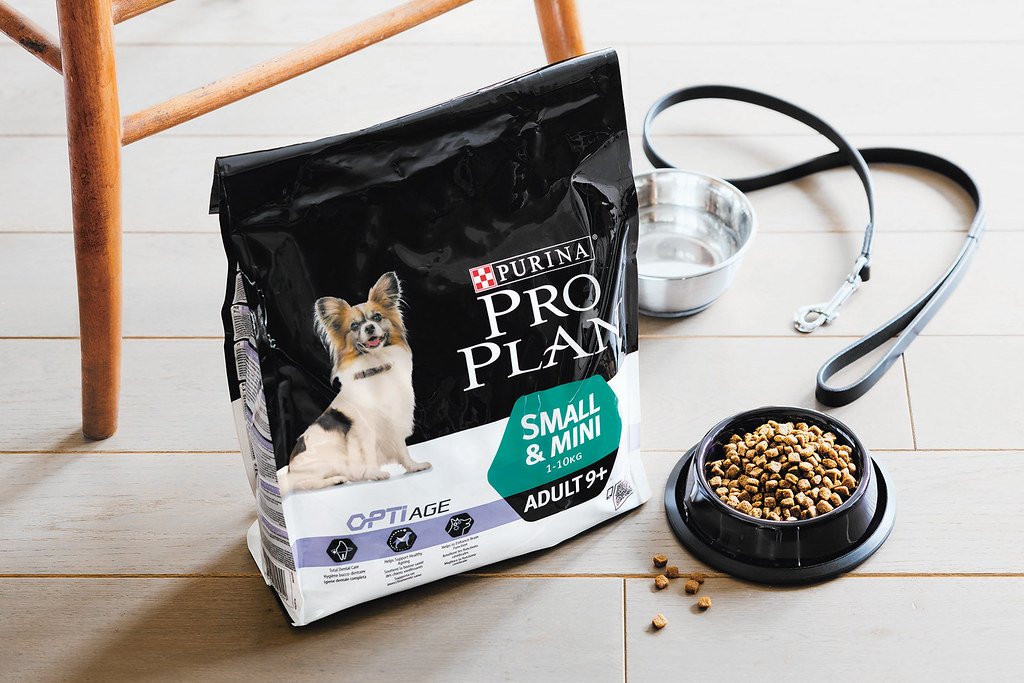
Pet Nutrition: Common Mistakes You’re Making
Common Mistakes You’re Making can be easier to approach when you start with a few practical basics. * Overfeeding - The Biggest Issue: Seriously, this is.
Pet Nutrition: A Step-by-Step Start
A Step can be easier to approach when you start with a few practical basics. * Fats: Fats are important for energy, keeping their skin and coat healthy, and helpi...