If you are sorting through Enrichment Ideas, start by matching the advice to the problem you are actually trying to solve.
Hey there, fellow cat lovers. Matt Kent here, and let’s be honest - keeping a cat happy and engaged isn’t always a walk in the park. We all want our feline companions to be content, healthy, and, frankly, not destroy our favorite houseplants. But sometimes, it feels like they’re just… lounging. While a good nap is important (seriously, cats need their rest!), a bored cat is a destructive cat. That’s where enrichment comes in. It’s about providing opportunities for your cat to use their natural instincts - hunting, exploring, playing, and problem-solving - and it’s absolutely crucial for their well-being. I've spent a lot of time observing cats, and I've learned that a little bit of mental and physical stimulation can make a huge difference in their overall happiness and behavior.
Now, when I say “enrichment,” I’m not talking about expensive, complicated toys. It’s about understanding what motivates your cat and creating a stimulating environment that caters to their individual personality. Think about it - a playful kitten will have different needs than a senior cat. My own Finn, the Golden Retriever, needs a lot of exercise and mental challenges, but Pip and Squeak, my rescue cats, are a bit more discerning. They appreciate a good puzzle more than a high-speed chase, for example. Let’s dive into some practical ideas, broken down into categories, and I’ll share a few of my own experiences along the way.
1. The Hunting Instinct: Mimicking the Wild
Cats are, at their core, predators. Even the most pampered indoor cat retains that hunting drive. We can tap into it with a variety of toys and activities. Forget the constant, mindless batting at a feather wand (though those are great occasionally!). Let’s focus on things that mimic the real hunt.
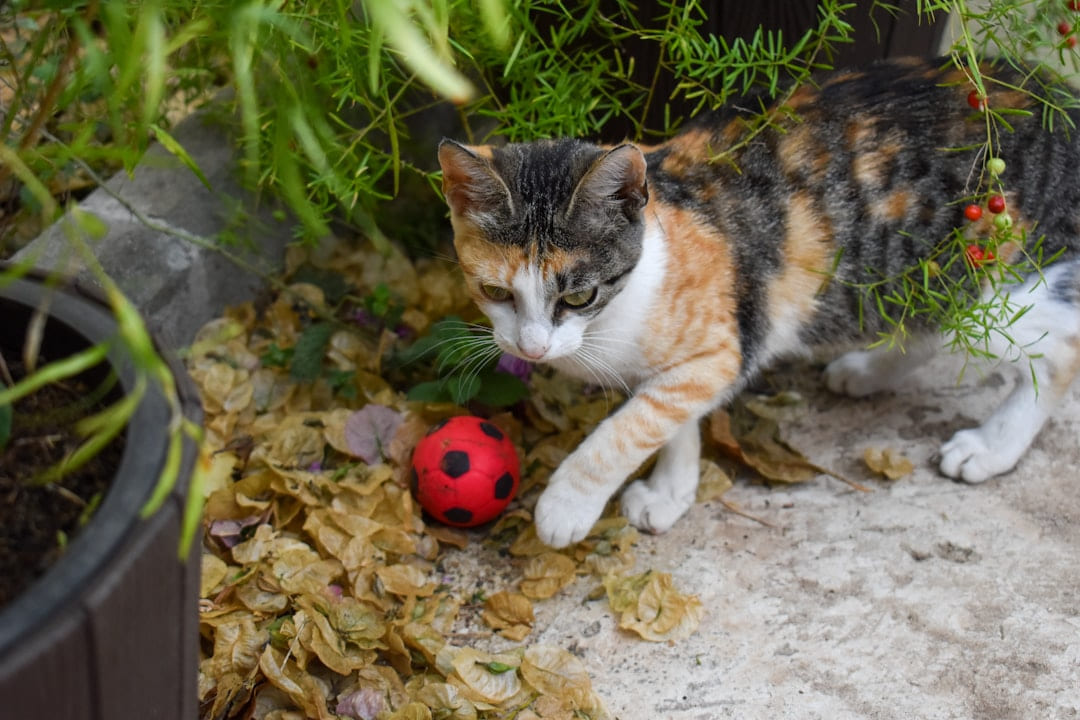
- Puzzle Feeders: These are a game-changer. Instead of just putting food in a bowl, you hide it in a puzzle feeder - a ball with holes, a maze, or even a slow-feed bowl. It forces your cat to work for their food, stimulating their problem-solving skills and slowing down their eating, which is beneficial for digestion. I started with a simple treat ball for Finn, and he went absolutely wild. For Squeak and Pip, I found a little puzzle feeder with compartments that they had to slide open to get a small kibble. It took them a few days to figure it out, but the look of satisfaction when they finally succeeded was priceless.
- Hunting Toys: Think wands with feathers, laser pointers (use sparingly and *always* end with a tangible toy they can “catch”), or even crinkle balls that mimic the sound of prey. Vary the movement - slow, deliberate movements to mimic a stalking predator, and then quick, erratic movements to simulate a fleeing animal.
- DIY Hunting Games: This is where it gets really fun. Roll a toy under furniture, hide it in a cardboard box, or even create a simple “tunnel” using blankets and pillows. The key is to make your cat work for it.
2. Vertical Territory: Cats Love Heights
Cats are natural climbers and jumpers. Providing them with vertical space is incredibly important for their physical and mental well-being. It allows them to observe their surroundings from a safe vantage point and provides opportunities for exercise.
- Cat Trees: A classic for a reason. Choose a sturdy cat tree with multiple levels, scratching posts, and hiding spots. Consider your cat’s size and jumping ability when selecting a tree.
- Shelves and Wall Perches: Creating a “cat highway” along your walls is a fantastic way to provide vertical territory. You can use floating shelves, mounted cat shelves, or even repurpose existing furniture. I’ve got a series of shelves installed along one wall in my living room, and Pip and Squeak absolutely love exploring them.
- Window Perches: Cats love to watch the world go by. A window perch provides a comfortable spot for them to observe birds, squirrels, and other outdoor activity.
3. Sensory Stimulation: Engaging Their Senses
Cats rely heavily on their senses - sight, smell, hearing, and touch. Introducing new and stimulating sensory experiences can keep them engaged and prevent boredom.
- Catnip: A classic for a reason! Catnip can induce a state of euphoria in many cats, leading to playful behavior.
- Scented Toys and Scratching Posts: Experiment with different scents - lavender, chamomile, or even just a pleasant, natural fragrance.
- Sound Enrichment: Play calming music designed for cats, or introduce them to new sounds - the rustling of leaves, the sound of rain, or even nature sounds from a recording.
- Textural Toys: Offer a variety of textures - plush toys, crinkly toys, rope toys, and even toys filled with cat-safe materials like felt or fleece.
4. Routine and Playtime: Consistency is Key
While enrichment activities are important, a consistent routine can also be incredibly beneficial for cats. Cats thrive on predictability, and regular playtime can help reduce stress and anxiety. Aim for at least 15-20 minutes of interactive playtime each day, broken up into shorter sessions. This isn’t just about entertaining them; it’s about bonding and strengthening your relationship. I always make sure Finn gets a good run in the morning and a dedicated play session in the evening. It's a non-negotiable part of his day.
Finally, remember that every cat is different. What works for one cat may not work for another. Pay attention to your cat’s individual preferences and behaviors, and experiment with different enrichment activities to find what they enjoy most. It's a process of observation and adaptation. Don't be afraid to try new things, and most importantly, enjoy the journey of enriching your cat’s life.
- Matt Kent
Start with what you will actually use
With Enrichment Ideas, the first question is usually not which option looks best on paper. It is which part will make day-to-day life easier, smoother, or cheaper once the novelty wears off.
A lot of options sound great until you picture them in a normal week. If the setup is fussy, the routine is easy to forget, or the maintenance is annoying, the appeal fades quickly.
There is also value in keeping one part of the process deliberately simple. Readers often do better when they identify the one decision that carries the most weight and make that choice carefully before they chase smaller optimizations. That keeps momentum steady and usually prevents the topic from turning into clutter.
What tends to get overlooked
Tradeoffs are normal here. Cost, convenience, upkeep, and flexibility do not always line up neatly, so it helps to decide which tradeoff matters least to you before you commit.
This usually gets easier once you make a short list of priorities. A tighter list tends to produce better decisions than trying to solve every possible problem at once.
Another useful filter is asking what you would still recommend if the budget got tighter, the schedule got busier, or the setup had to be easier for someone else to manage. The answers to that question usually reveal which advice is durable and which advice only works under ideal conditions.
Keep This Practical
The most helpful pet-care changes are usually the ones your animal can feel right away: more comfort, clearer routines, and less daily stress. Start there and build steadily.