Essentials for Happy Pets can be easier to approach when you start with a few practical basics.
Bringing a new furry, feathered, or scaled friend into your life is one of the most rewarding experiences you can imagine. But let's be honest, it can also feel…a little overwhelming. Suddenly, you’re navigating a whole new world of food bowls, vet appointments, and the inevitable messes. Having a good checklist can be a real lifesaver, offering a way to make sure you're meeting your pet’s needs and building a strong, happy relationship. It’s not about checking off boxes; it’s about consistently providing the best possible life for your companion and, frankly, taking some of the stress off yourself. This checklist breaks down the essentials into manageable categories, so you can focus on what truly matters: showering your pet with love and care.Food & Nutrition: Fueling a Happy Life (Essentials for Happy Pets)
Let’s start with the basics - food. It’s undeniably the foundation of a healthy pet. But “healthy” can mean different things depending on the animal. Dry kibble is a common choice for dogs and cats, offering convenience and often a good source of fiber. Wet food, on the other hand, provides more moisture, which is particularly helpful for senior pets or those prone to urinary issues. Raw feeding - feeding a diet primarily consisting of uncooked meat, bones, and organs - has become popular, touted for its potential nutrient density, but it requires careful research and preparation to ensure it’s balanced and safe. And then there’s the debate about homemade diets. While tempting, they absolutely must be formulated by a veterinary nutritionist to avoid serious deficiencies. Feeding schedules vary quite a bit depending on your pet’s age and activity level. Puppies and kittens need to eat more frequently than adult animals. Senior pets might benefit from smaller, more frequent meals. Supplements like glucosamine and chondroitin can support joint health, especially in larger breeds, while omega-3 fatty acids are fantastic for keeping their skin and coat looking shiny. Always talk to your vet before adding any supplements to your pet’s diet. Breed-specific needs are also important - a Greyhound’s skeletal system requires a different approach than a Dachshund’s. Allergies are surprisingly common; watch for signs like itchy skin, digestive upset, or ear infections. If you suspect a food allergy, your vet can help you figure out the culprit and recommend a hypoallergenic diet.
Health & Wellness: Proactive Care is Key
Regular vet checkups aren’t just about annual vaccinations; they’re about building a relationship with a professional who understands your pet’s individual needs. The frequency of these visits depends on your pet’s age and health status - puppies and kittens will need more frequent visits during their developmental stages. Vaccinations are crucial for protecting against potentially deadly diseases like rabies, parvovirus, and distemper. Your vet will advise you on the specific vaccination schedule for your pet’s species and location. Parasite prevention is another critical part of keeping your pet healthy. Fleas, ticks, and worms are a constant concern, and there are preventative medications available. Talk to your vet about the best options for your pet - there are topical treatments, oral medications, and even monthly chewables. Recognizing illness early is vital. Common signs include changes in appetite, lethargy, vomiting, diarrhea, coughing, or excessive scratching. It's a good idea to assemble a basic pet first-aid kit - including antiseptic wipes, gauze, bandages, and a digital thermometer - and know the location of your nearest emergency veterinary clinic.
Hygiene & Grooming: Keeping Them Looking and Feeling Their Best
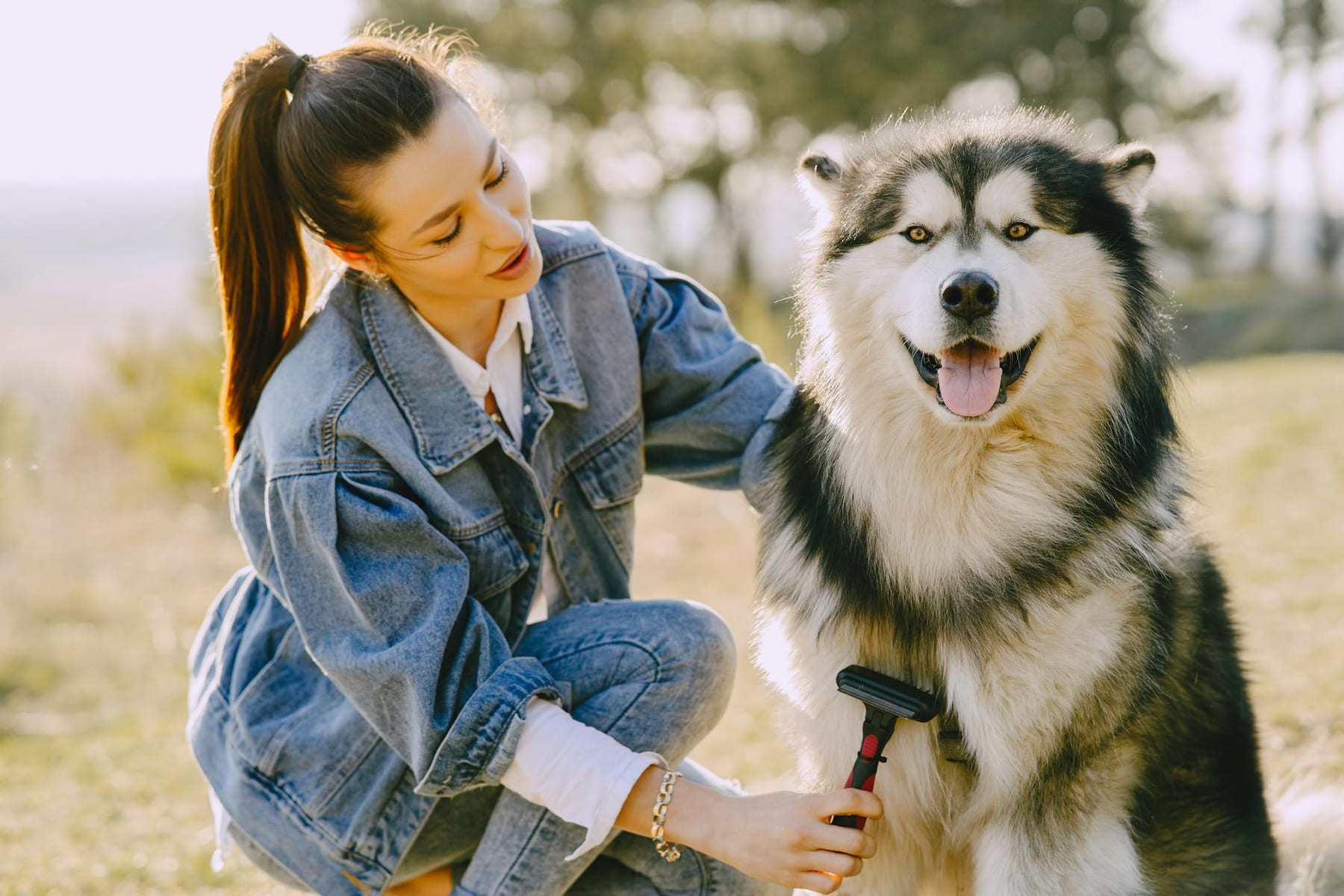
Grooming isn’t just about making your pet look good; it’s a way to bond with them and keep them healthy. The frequency of brushing depends entirely on the coat type. Long-haired breeds like Golden Retrievers need daily brushing to prevent mats, while short-haired breeds may only need a weekly brush. Bathing should be done sparingly - over-bathing can strip the skin of its natural oils. Use a pet-specific shampoo designed for their coat type. Nail trimming is essential to prevent overgrowth and discomfort. If you’re not comfortable trimming your pet’s nails yourself, a quick visit to the groomer is a good option. Regular teeth cleaning is crucial for preventing dental disease. Dental chews, brushing with pet toothpaste, and professional cleanings by your vet can all help keep their teeth healthy. Ear cleaning should be done gently, using a veterinarian-approved ear cleaner, to prevent infections.
Safety & Security: Protecting Your Companion
Pet-proofing your home is surprisingly important. Remove anything that could be toxic, such as houseplants, cleaning supplies, and medications. Microchipping and a secure ID tag are essential for identification if your pet ever gets lost. Make sure your collar and leash fit properly and are securely attached. When traveling by car, always use a pet harness or crate to prevent injuries. Be aware of potential hazards in your environment, like poisonous plants, chemicals, and busy roads.
Enrichment & Mental Stimulation: A Bored Pet is a Problematic Pet
A bored pet is often a destructive pet. Providing plenty of mental stimulation is just as important as providing physical exercise. Puzzle toys challenge their minds and keep them entertained. Chew toys satisfy their natural urge to chew and prevent them from chewing on your furniture. Daily exercise is crucial for both physical and mental well-being - the amount needed will vary depending on the breed and age of your pet. Training - basic obedience and positive reinforcement - strengthens the bond between you and your pet and helps them learn good habits. Socialization, when done safely and appropriately, is also important for developing a well-adjusted pet.
Regular Maintenance: The Little Things Add Up
Don’t underestimate the importance of routine maintenance. Keep your pet’s litter box or cage clean - scoop it at least once a day. Properly dispose of pet waste to prevent odor and health hazards. Wash your pet’s bedding regularly. And be mindful of seasonal changes - provide extra warmth in the winter and shade in the summer. in practice, caring for a pet is a continuous learning process. This checklist is a starting point, a guide to help you prioritize your pet’s well-being. Remember, every pet is unique, and what works for one may not work for another. By paying attention to your pet’s individual needs and building a strong, trusting relationship, you’ll be well on your way to a long and happy life together.
Keep This Practical
The most helpful pet-care changes are usually the ones your animal can feel right away: more comfort, clearer routines, and less daily stress. Start there and build steadily.
Tools Worth A Look
If you want a practical next step for your pet's routine or setup, the recommendations below are the best fit.
- Miracle Care Eye Wash Pads, 90 Single Use Pre-Soaked Pads to Gently Clean and Soothe Dog and Cat EyesNatural Dog Company Wrinkle Balm for Dogs – Dog Wrinkle Balm for Skin Folds, Facial Creases & Wrinkles, Lick-Safe Wrinkle Cream for Bulldogs, PugsPETHROOM] Pet Toothbrush for Cats and DogsArm & Hammer Tartar Control Dental Spray for DogsMRS. MEYERS Clean Day Dog Deodorizing Spray, White Peach Scent, 8oz
Some of the links on this page are Amazon affiliate links, which means I may earn a small commission if you make a purchase through them. As an Amazon Associate, I earn from qualifying purchases.
Related ReadingMore from Happy Paws Daily
Pet Wellness FAQs: What You Need to Know
This is where a little patience pays off. It helps to compare what sounds good on paper with what is realistic for your budget, schedule, space, and comfort level.
Pet Wellness: A Daily Check-In
deserves a little more room than a quick summary because most readers are trying to make a real decision, not just skim a few surface-level tips....

The Everyday Routine That Helps Pets Feel More Settled
A practical look at the everyday routine that helps pets feel more settled by creating better predictability, calmer transitions, and fewer stress spikes.