
Regular Exercise & Mental Stimulation: A Happy Mind, A Happy Body (a Happy Pet)
A tired pet is a happy pet, and the adage holds true for animals of all shapes and sizes. Just like us, animals need regular physical activity to maintain a healthy weight, strengthen their muscles and bones, and prevent boredom. However, the type and amount of exercise your pet needs will vary dramatically depending on their species, breed, age, and overall health. A high-energy Border Collie will require significantly more exercise than a laid-back Bulldog.
Dogs often benefit from daily walks, playtime in a secure yard, and interactive games like fetch or tug-of-war. Consider incorporating different types of exercise - a brisk walk one day, a swim the next - to keep things interesting. Agility training or dog sports can be fantastic options for highly active breeds. Cats, while often perceived as independent, also need mental and physical stimulation. Puzzle toys that dispense treats can keep them entertained and mentally engaged. Interactive wand toys encourage chasing and pouncing. Creating climbing structures, like cat trees or shelves, provides opportunities for vertical exploration and satisfies their natural instincts. Small animals like rabbits and guinea pigs need regular exercise in a safe, enclosed space. Wheel-based exercise for rabbits is highly recommended to prevent obesity and boredom. Birds need opportunities to fly and explore - a large, bird-safe cage with plenty of toys and perches is essential.
But it’s not just about physical exercise; mental stimulation is equally, if not more, important. A bored pet is more likely to engage in destructive behaviors like chewing furniture or excessive barking. Puzzle toys that require them to solve a problem to get a reward are excellent for stimulating their minds. Training sessions - even short, daily sessions - can provide mental stimulation and strengthen your bond. Rotating toys regularly keeps things fresh and exciting. Consider scent work games, where you hide treats and have your pet use their nose to find them. Even simply changing up your pet’s environment - rearranging furniture, introducing a new object - can provide a novel experience and prevent boredom. For example, a dog who’s used to a predictable routine might benefit from a change of scenery during a walk, exploring a new park or trail.
Grooming: More Than Just Looks - Maintaining Health and Hygiene
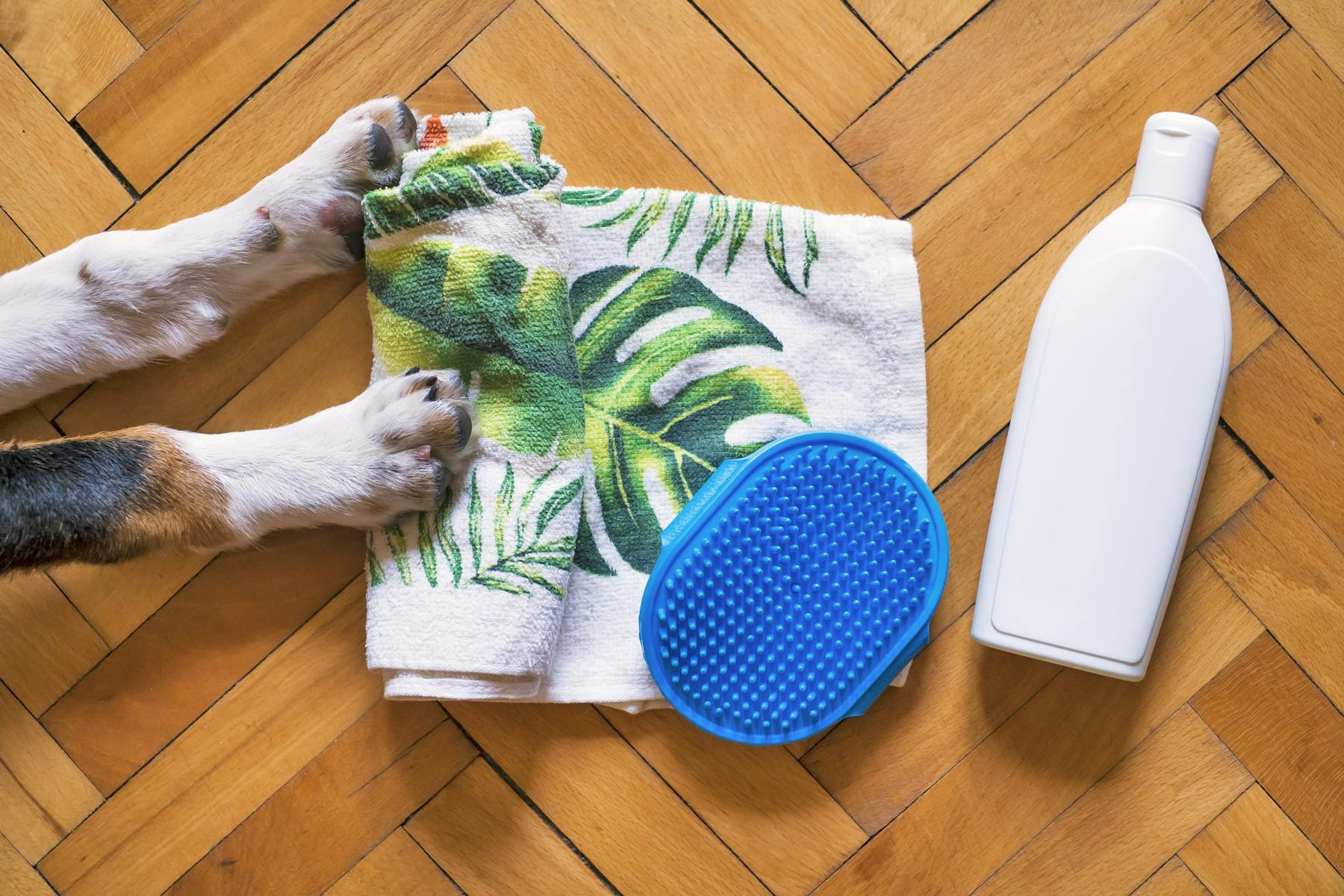
Grooming isn’t just about keeping your pet looking their best; it’s a vital component of their overall health and well-being. Regular brushing is essential for removing loose fur, preventing mats and tangles, and distributing natural oils throughout their coat. This not only improves their appearance but also stimulates blood circulation and promotes healthy skin. For long-haired breeds, regular bathing is crucial to prevent skin problems and maintain a clean coat. However, over-bathing can strip their skin of its natural oils, so it’s important to use a pet-specific shampoo and follow a recommended bathing schedule. And don’t forget about nail trimming - overgrown nails can be painful and lead to mobility issues, affecting their gait and balance. Regularly trimming your pet’s nails, either at home with proper tools or by a professional groomer, is essential for their comfort and well-being. Plus, it’s a fantastic way to bond with your pet - make it a positive and enjoyable experience.
Specific grooming needs vary by species: Dogs with thick undercoats require more frequent brushing during shedding season. Cats need regular ear cleaning to prevent infections. Rabbits require specialized grooming tools to prevent wool block. Birds need regular nail clipping and beak trimming.
Creating a Safe & Comfortable Home: A Sanctuary for Your Pet
Your pet’s environment plays a surprisingly significant role in their overall well-being. A safe and comfortable home is paramount for their physical and emotional health. Make sure your home is free from hazards - things like toxic plants (lilies are extremely dangerous to cats), chemicals, loose wires, and small objects they could swallow. Secure any areas that could pose a risk, such as balconies or open windows.
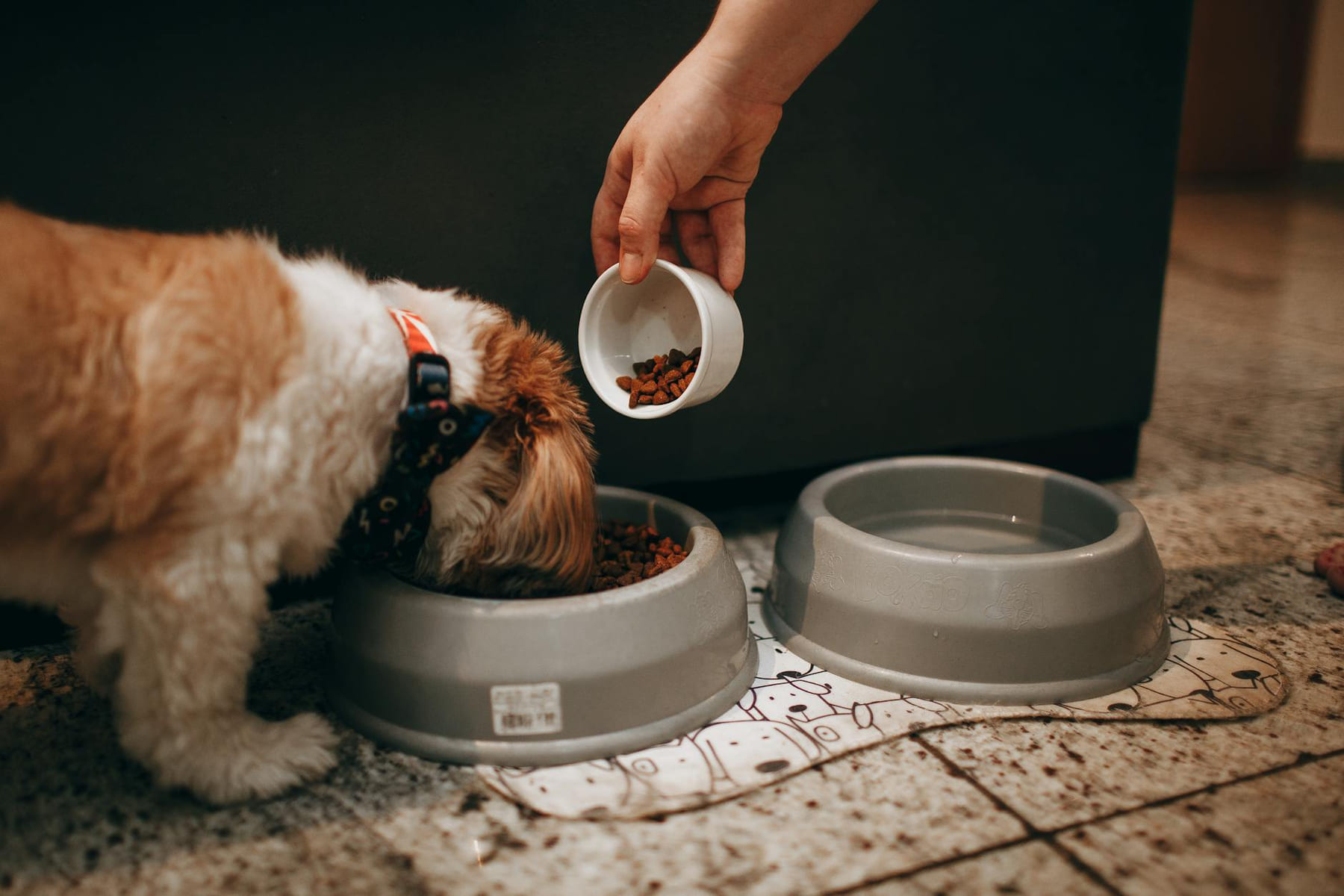
Provide a dedicated, comfortable space where your pet can relax and feel secure. This could be a cozy bed, a favorite blanket, a quiet corner where they can retreat, or even a cardboard box (many pets love them!). Consider their specific needs. A cat might appreciate a high perch where they can survey their domain, while a rabbit needs a secure hutch with appropriate bedding and enrichment. Dogs need a designated area for their food and water bowls, as well as a comfortable place to sleep. Pay attention to temperature - pets are more sensitive to extreme temperatures than we are. Ensure they have access to shade and water during hot weather and a warm, draft-free space during cold weather. Regularly clean their living area to maintain a hygienic environment.
Regular Veterinary Care: Prevention is Always Better Than Cure
Annual checkups are absolutely crucial for maintaining your pet’s health and detecting potential problems early on. These routine visits allow your veterinarian to assess their overall health, administer vaccinations, and screen for diseases. Don’t wait until your pet is showing obvious signs of illness to schedule a visit. Early detection can often lead to more effective treatment and a better outcome.
In addition to annual checkups, be sure to follow your veterinarian’s recommendations for vaccinations and parasite prevention. These are essential for protecting your pet from preventable diseases like rabies, distemper, and parvovirus. Regular parasite prevention - including flea, tick, and heartworm prevention - is also crucial for maintaining their health. Building a strong, trusting relationship with your veterinarian is one of the best investments you can make in your pet’s long-term well-being. Don’t hesitate to ask questions and voice any concerns you may have. Remember to keep your vet informed about any changes in your pet’s behavior or appetite.
Taking the time to implement these simple, yet impactful, best practices can significantly enhance your pet’s quality of life, strengthen your bond, and ensure they live a long, happy, and healthy life. It’s about prioritizing their needs, showing them love and compassion, and providing them with the care they deserve.
Keep This Practical
If this topic matters to your pet right now, keep the next step calm and practical. A small improvement in safety, enrichment, or routine often makes a bigger difference than buying more at once.
Tools Worth A Look
These picks are most helpful when they improve pet safety, comfort, enrichment, or day-to-day care without adding unnecessary complexity.
- Miracle Care Ear Powder for Dogs and Cats Keeps Ears Dry, Reduces Odor and Waxy Build UpWags & Wiggles Hypoallergenic Dog Wipes for Sensitive Skin, Fragrance Free Waterless Cleansing Towelettes for Paws Face BodyBurt’s Bees for Pets Hypoallergenic Cat Shampoo with Shea Butter and HoneySkout’s Honor Probiotic Natural Dog Shampoo and Conditioner with Avocado Oil & Omega-3s, Gentle Puppy ShampooFURME Professional Plus Pet Grooming Vacuum Kit
Some of the links on this page are Amazon affiliate links, which means I may earn a small commission if you make a purchase through them. As an Amazon Associate, I earn from qualifying purchases.
Related ReadingMore from Happy Paws Daily
Pet Care Essentials: A Practical Guide
Level Up Your Pet’s Life: Your 2026 Guide to the Best Pet Care and Pet Products Bringing a new animal into your home - whether it’s a playful puppy, a curious.
Pet Care on a Budget: Simple Tips
Pet Care and Pet Products Guide: Keeping Costs Down Without Compromise It’s a well-known fact that welcoming a pet into your life brings immense joy - and, let’s.

Daily Pet Care: Simple Tips for Happy Pets
Pet Care and Pet Products Guide: Keeping Your Companion Thriving in 2026 Bringing a new animal into your life is a wonderful thing - a rush of excitement.