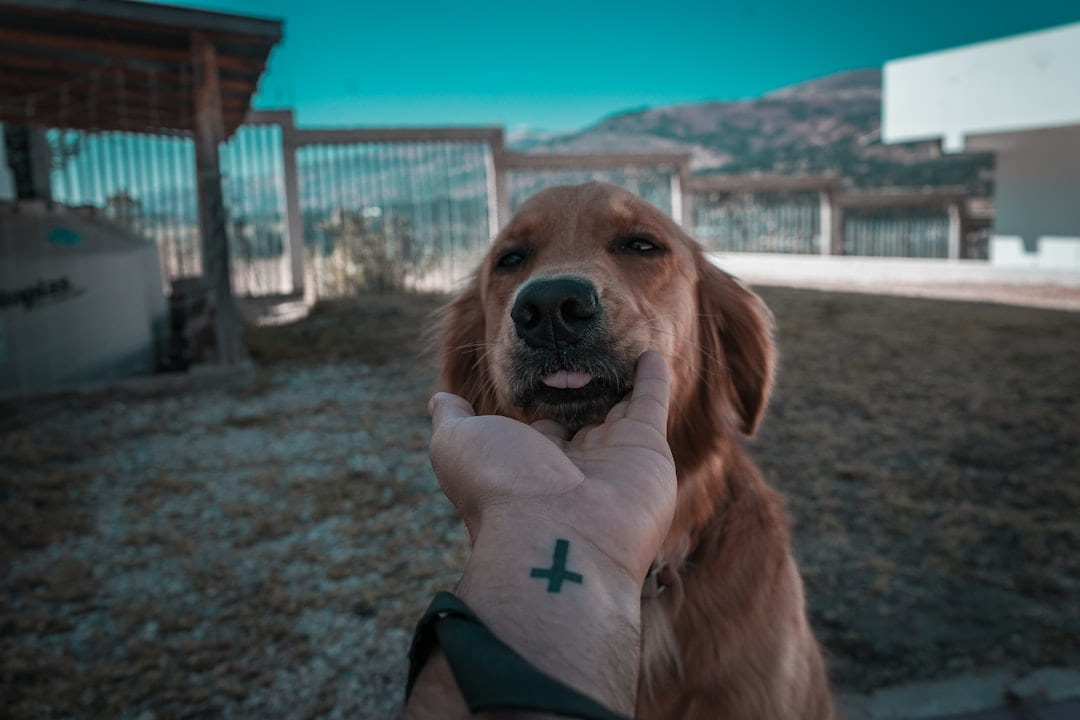
Pet First Aid can be easier to approach when you start with a few practical basics.
Bringing a new furry friend home is one of the most wonderful things, isn’t it? But it can also bring a little flutter of worry, right? It’s completely normal to feel a bit apprehensive about what to do if something unexpected happens. The good news is, with a little bit of preparation, you can feel much more at ease. this post is designed to give you the basics - a gentle, step-by-step approach to help you respond calmly and effectively. Let’s take a look at how you can be a little more prepared for whatever life throws your way with your new companion.Watching for the Little Signs
It’s easy to get caught up in worst-case scenarios, but often, the most helpful thing you can do is simply notice. Pets, especially as they get older, can sometimes communicate their discomfort before they’re visibly distressed. Sometimes, the first sign of trouble isn’t a dramatic event, but a quiet change in your pet’s usual routine. Let’s talk about some common emergencies and what to watch out for. Choking is a really frightening thing to witness, but knowing how to react can make a difference. It often happens when a pet swallows something they shouldn’t - a piece of toy, a bone, or even just a large treat. Signs of choking include frantic coughing, gagging, or difficulty breathing. Poisoning is another concern, especially with household chemicals, medications, and certain plants. Chocolate, xylitol (found in many sugar-free products), and lilies are common culprits. Keeping these things safely out of reach is a crucial preventative measure. Heatstroke is a serious risk, particularly for brachycephalic breeds (those with short noses) and during warmer months. Symptoms include excessive panting, drooling, bright red gums, and weakness. Minor cuts and scrapes are, well, minor, but it’s good to have supplies on hand to clean them properly. Dehydration can sneak up on pets, especially if they’re not getting enough water. You’ll notice it through decreased skin elasticity (try gently pinching the skin on the back of their neck - it should spring back quickly), excessive thirst, and dry gums. Beyond these, pay close attention to behavioral changes. A sudden decrease in appetite could be a sign of something more serious. Lethargy, or just feeling unusually tired, is another red flag. Excessive panting, especially when not exercising, or drooling more than usual can indicate discomfort. Vomiting or diarrhea, of course, are always concerning. And if your pet suddenly starts hiding, or becomes restless and agitated, it’s worth investigating.
Your Pet First Aid Kit: Simple and Reliable
- Antiseptic Wipes: For cleaning wounds - iodine-free is preferable to avoid irritation.
- Gauze Pads: In various sizes for wound dressings and stopping bleeding.
- Adhesive Tape: Vet wrap is excellent for securing bandages.
- Blunt Scissors: For cutting bandages and removing debris (make sure they're rounded tips).
- Digital Thermometer: A rectal thermometer is the most accurate for pets. Always follow your vet’s instructions on taking a pet’s temperature.
- Hydrogen Peroxide (3%): Use with extreme caution and only under veterinary guidance. It’s primarily used to induce vomiting in specific situations - never give it without consulting your vet first.
- Syringe: For administering medication or fluids (a small, blunt-tipped syringe is ideal).
- Pet First Aid Manual: A quick reference guide is invaluable when you’re feeling stressed. Investing in a good quality kit will give you peace of mind knowing you have the essentials when you need them most. (You can find some really solid kits online - I’ll link to a few reputable brands later.)
Quick Steps to Help
Okay, let’s get practical. Here are some simple techniques you can learn and practice. Remember, these are temporary measures to stabilize your pet until you can get them to a veterinarian.
- Checking Heartbeat & Breathing: Place your hand gently on your pet’s chest. You should feel a regular pulse. Listen for breathing - you should hear it through their nose or mouth. If breathing is labored or absent, take immediate action.
- Controlling Bleeding: Apply direct pressure to the wound with a clean gauze pad. Maintain pressure until the bleeding stops. If the bleeding is severe, elevate the injured area.
- Stabilizing a Broken Limb: Immobilize the limb by splinting it with rolled-up bandages and tape. Do not attempt to straighten a broken limb. Get to a vet immediately.
- Cooling a Heatstroke Victim: Move your pet to a cool, shaded area. Apply cool (not ice-cold) water to their fur, focusing on their paws, belly, and groin. Offer small amounts of cool water to drink if they’re conscious.
- Recognizing Dehydration: As mentioned earlier, look for decreased skin elasticity and dry gums. Offer small amounts of water frequently. If they’re not drinking, try offering water mixed with a little chicken broth (check with your vet first).
When to Seek Help
It's always better to err on the side of caution. If you notice any of these signs, don’t hesitate - call your vet or an emergency animal hospital right away.
- Severe bleeding that doesn’t stop with direct pressure
- Difficulty breathing or gasping for air
- Collapse or unconsciousness
- Seizures
- Suspected poisoning (be prepared to tell the vet what your pet ingested)
- Significant trauma (e.g., hit by a car)
- Sudden and concerning change in behavior (e.g., disorientation, aggression, hiding for extended periods)
Staying Proactive: Preventing Problems
Prevention is always better than cure. Regular veterinary checkups are crucial for detecting potential problems early. Microchipping your pet is also a vital step - it’s the best way to ensure they can be identified and returned to you if they ever get lost. Creating a safe environment at home - pet-proofing your home by removing hazards like toxic plants and chemicals - is incredibly important. And finally, responsible pet ownership means being mindful of your pet’s needs and ensuring they’re getting the exercise, nutrition, and mental stimulation they require. A little prevention goes a long way in keeping your pet safe and healthy.
Resources for More Information
- ASPCA Animal Poison Control Center: (888) 426-4435 ()
- PetMD - Pet First Aid:
Taking a Deep Breath
Taking the time to learn about pet first aid is a wonderful step you’re taking as a pet parent. It’s a sign of your love and commitment to your furry friend. Remember, your vet is your best resource. this post is meant to give you a foundation, but always seek professional veterinary care when needed. You’ve got this - and your pet will be so grateful for your care.
Keep This Practical
Good pet decisions tend to be simple, observant, and consistent. Focus on one change that improves your animal's environment or routine, then watch how they respond before adding more.
Tools Worth A Look
The products here make the most sense when they support calmer, safer, or more enjoyable care for the animal in front of you.
- NaturVet ArthriSoothe-Gold Level 3 Advanced Joint Care for Dogs – Soft Chew Dog SupplementPalmers Cocoa Butter Fragrance Free Intensive Paw Repair Swivel Stick for Dogs Cocoa Butter Paw Balm with Vitamin E, Peppermint Oil, and Shea ButterArm & Hammer for Pets Super Deodorizing Dog Spray with Baking Soda for Odor ControlCoastal Pet Safari Professional Dog Nail TrimmerVet's Best Dog Toothpaste & Dog Toothbrush, Dental Kit, Plaque Remover for Teeth, Whitens Teeth, Freshens Canine Breath
Some of the links on this page are Amazon affiliate links, which means I may earn a small commission if you make a purchase through them. As an Amazon Associate, I earn from qualifying purchases.
Related ReadingMore from Happy Paws Daily
Pet First Aid: Knowing What to Do
can be easier to approach when you start with a few practical basics. Bringing a new furry friend home is one of the most wonderful things, isn’t it? But it can.

Ready for Pet Emergencies?
Pet Emergencies can be easier to approach when you start with a few practical basics. Writing style: Direct, practical, and reassuring. Let’s be honest, as pet.

Pet First Aid: Common Mistakes & How to Fix Them
can be easier to approach when you start with a few practical basics.