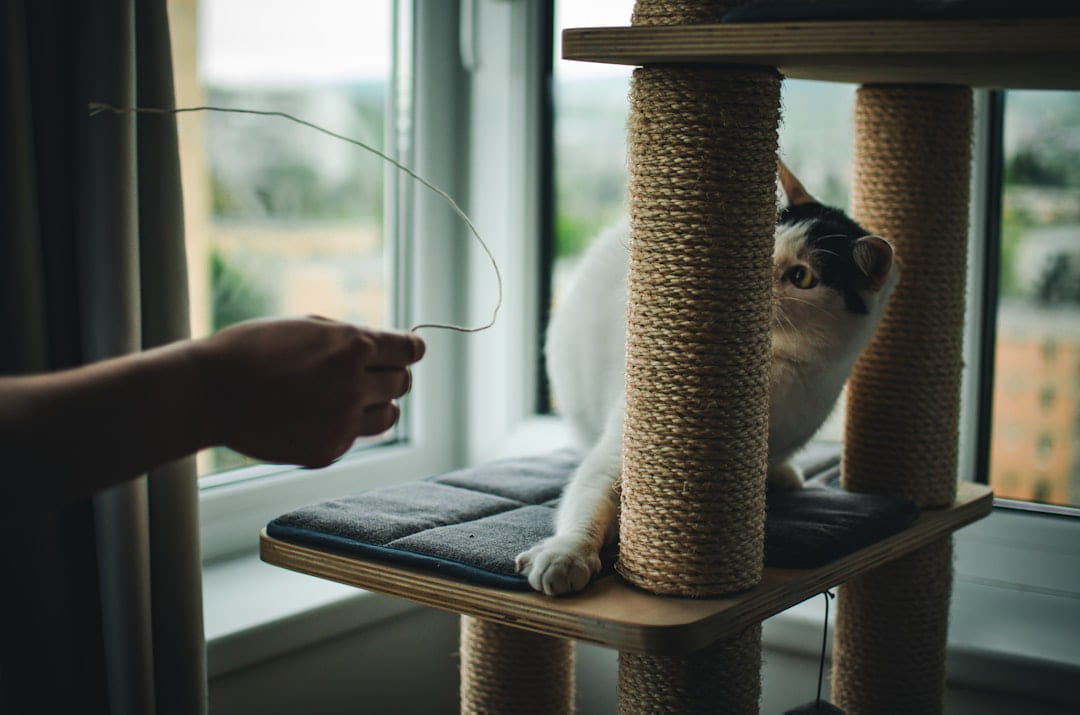
Scratching Posts: A Cat Owner’s Guide: A topic like this becomes easier to use when you focus on what matters first, keep the next step practical, and ignore the extra noise.
Stretching & Exercise
Scratching allows them to extend their muscles and joints, providing a good stretch after a nap or a playful romp. The best option is usually the one that makes the animal's routine safer, calmer, or easier to understand.
Claw Sharpening
Obviously, scratching helps them maintain their claws, keeping them in optimal condition. If this reduces stress for both the pet and the person caring for them, it is a strong signal to keep it.
Stress Relief
Scratching can be a self-soothing behavior, especially when they're feeling anxious or uncertain. It’s really important to distinguish between appropriate scratching - on a designated post - and inappropriate scratching - on your favorite armchair. what helps most is to redirect that instinct towards a suitable surface. And don’t underestimate the power of scent; cats are incredibly sensitive to smells, and marking a scratching post with their own scent (through rubbing or using catnip) can be a big motivator.
Exploring Your Options: Different Types of Scratching Posts
There's a scratching post out there for almost every cat, and every home. Let’s look at the most common types: The best option is usually the one that makes the animal's routine safer, calmer, or easier to understand.
Placement Matters: Where to Put Your Scratching Post
Simply buying a scratching post isn’t enough; you need to place it strategically. Cats are smart; they’ll scratch where they feel comfortable and secure. Here’s what to consider: If this reduces stress for both the pet and the person caring for them, it is a strong signal to keep it.
What To Do Next
Use the ideas above to choose one clear next move, test it in your own situation, and keep refining from there. That approach tends to produce better long-term decisions than trying to solve everything at once.
Exploring Your Options: Different Types of Scratching Posts
- Cardboard Scratchers: These are usually the most affordable option and many cats love the texture. They're lightweight and easy to move around. Downside: They don’t last as long as other materials and can get messy.
- Sisal Scratching Posts: Sisal rope is generally considered the gold standard. It’s durable, provides a good grip, and many cats find the texture incredibly appealing. You’ll find them in different post shapes - from simple cylindrical posts to taller, angled ones.
- Carpet Scratching Posts: Some cats enjoy the feel of carpet, but it’s important to choose a low-pile carpet with a tightly woven texture. Avoid loops that can snag their claws.
- Wood Scratching Posts: A solid wood post can be a good option, especially if your cat likes to stretch while scratching. Look for hardwoods like maple or birch.
- Tower Scratching Posts: These offer multiple levels for climbing and scratching, which can be a big hit with active cats.
- Horizontal Scratching Pads: These are often made of cardboard and provide a flat surface for scratching. They're good for cats who prefer to scratch horizontally. Generally, cats with a playful nature tend to enjoy the height and variety offered by towers, while shyer cats might prefer a simpler, more stable post. Dimensions are important - a post that’s too short won’t allow them to fully stretch, while one that’s too tall might feel intimidating. Most sisal posts are around 24-36 inches tall, but this can vary.
Placement Matters: Where to Put Your Scratching Post
- Near Sleeping Areas: Cats often like to stretch and scratch when they wake up. Placing a post nearby is a good idea.
- Near Doorways: This is a common scratching spot, as cats often scratch after entering or exiting a room.
- Near Furniture They Currently Scratch: If your cat is scratching your sofa, place a post directly next to it. This redirects their behavior.
- Avoid High-Traffic Areas: A post in a busy hallway might be overwhelming for a shy cat.
- Multiple Posts: Seriously, don’t just get one! Having several scratching posts in different locations gives your cat more options and increases the chances of them using one.
Getting Your Cat to *Use* the Post: Encouragement is Key
- Scent Marking: Rub a catnip-filled toy on the post or sprinkle a little catnip directly on it. You can also use a pheromone spray designed to mimic feline scent markers.
- Positive Reinforcement: When you see your cat approaching the post or even sniffing it, reward them with praise and a small treat.
- Gradual Introduction: Don’t force your cat to use the post. Let them explore it on their own terms. You can gently guide them towards it with a toy.
- Make it Appealing: Experiment with different textures and orientations to find what your cat prefers.
Focus on the part that solves the problem
In a topic like Pet care and pet products, the strongest starting point is usually the one you will notice and use right away. That is often more helpful than adding extra features too early.
Before spending more, it is worth checking the setup, upkeep, and learning curve. Small hassles matter here because they are usually what decide whether something stays useful or gets ignored.
It is easy to underestimate how much clarity comes from removing one unnecessary layer. In practice, trimming one complication often does more for Scratching Posts: A Cat Owner’s Guide than adding one more feature, one more product, or one more clever workaround.
Where extra features get in the way
Another easy trap is copying a setup that made sense for someone with a different routine, budget, or tolerance for maintenance. In Pet care and pet products, that mismatch is often what makes a promising idea feel frustrating later.
A lot of options sound great until you picture them in a normal week. If the setup is fussy, the routine is easy to forget, or the maintenance is annoying, the appeal fades quickly.
There is also value in keeping one part of the process deliberately simple. Readers often do better when they identify the one decision that carries the most weight and make that choice carefully before they chase smaller optimizations. That keeps momentum steady and usually prevents the topic from turning into clutter.
What makes the choice hold up
A better approach is to break Scratching Posts: A Cat Owner’s Guide into smaller decisions and solve the highest-friction part first. Testing one practical change usually teaches more than trying to perfect everything in a single pass.
Leave a little room to adjust as you go. A setup that works in one budget range, season, or routine might need a small change later, and that is usually normal rather than a sign you got it wrong.
If this topic still feels crowded or overcomplicated, that is usually a sign to narrow the decision, not a sign that you need more noise. One careful adjustment, followed by honest observation, tends to teach more than another round of abstract tips.
How to keep the routine manageable
A grounded next step is usually better than a dramatic one. Pick one realistic change, see how it works in normal life, and let that result guide the next decision.
The version that holds up best is usually the one you can live with on an ordinary day. That often matters more than the version that only feels good when you have extra time, energy, or money.
That is why the best next step is often a modest one with a clear upside. You want something specific enough to act on, flexible enough to adjust, and practical enough that you would still recommend it after the first burst of enthusiasm fades.
Wrapping Up: A Scratching Post Strategy
Keep This Practical
The most helpful pet-care changes are usually the ones your animal can feel right away: more comfort, clearer routines, and less daily stress. Start there and build steadily.
Tools Worth A Look
If you want a practical next step for your pet's routine or setup, the recommendations below are the best fit.
- Natural Care Flea and Tick Spray for DogsExtend Joint Support for Dogs Hip and Joint Supplement for Dogs Glucosamine Hip & Joint Support Arthritis SupplementWet Ones for Pets Antibacterial Dog Paw Cleaner with Built-in Scrubber Brush, Tropical Splash ScentPup Labs ProDenta, All-Natural Dog Dental Powder for Teeth Cleaning, Dental Powder for Dogs Teeth with Breath Freshener. Easy to use for Tartar RemovalOxyfresh Premium Pet Dental Care Solution Pet Water Additive: Best Way to Eliminate Bad Dog Breath and Cat Bad Breath
Some of the links on this page are Amazon affiliate links, which means I may earn a small commission if you make a purchase through them. As an Amazon Associate, I earn from qualifying purchases.
Related ReadingMore from Happy Paws Daily
Pet Wellness FAQs: What You Need to Know
This is where a little patience pays off. It helps to compare what sounds good on paper with what is realistic for your budget, schedule, space, and comfort level.
Pet Wellness: A Daily Check-In
deserves a little more room than a quick summary because most readers are trying to make a real decision, not just skim a few surface-level tips....

The Everyday Routine That Helps Pets Feel More Settled
A practical look at the everyday routine that helps pets feel more settled by creating better predictability, calmer transitions, and fewer stress spikes.