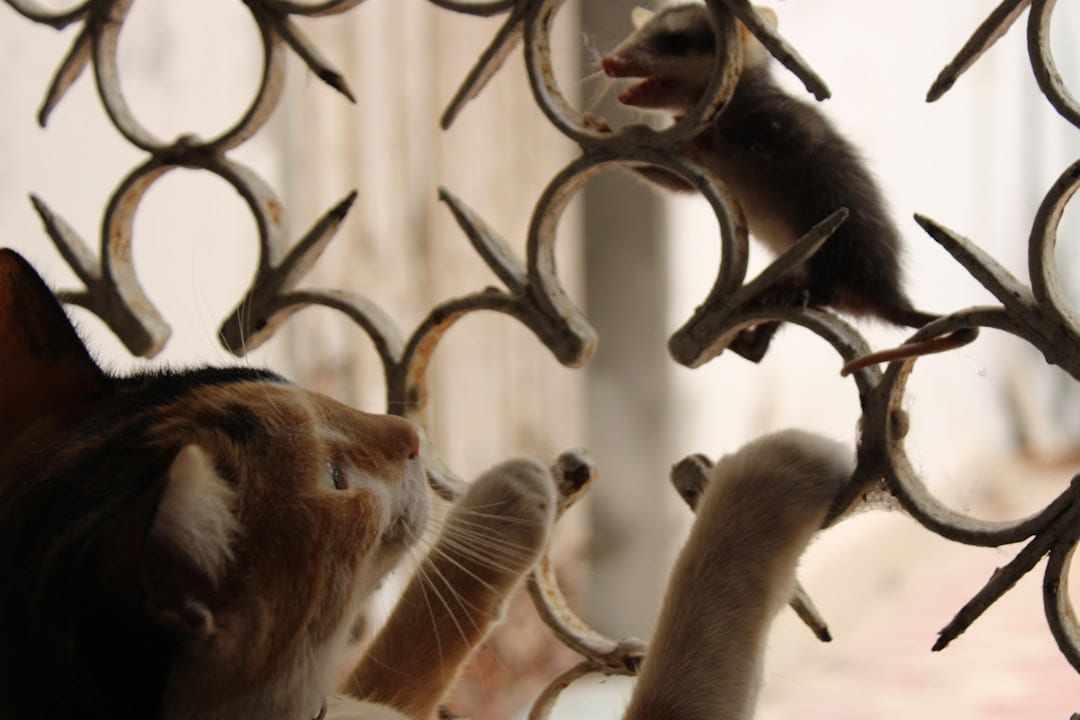
As pet parents, we all want the best for our furry, feathered, or scaled companions. Beyond providing food, shelter, and veterinary care, a huge part of responsible pet ownership is ensuring they’re happy, stimulated, and fulfilled. A bored pet can quickly become a destructive or anxious one, leading to unwanted behaviors and a diminished quality of life. The good news is that enriching your pet’s life doesn’t require a massive investment or hours of your time. It’s about understanding their natural instincts and providing them with opportunities to engage their minds and bodies. This article will guide you through some fantastic, beginner-friendly pet enrichment activities, covering both dogs and cats, and offering practical tips to make them a success.
Why is Pet Enrichment Important?
Let’s start with the “why.” Enrichment isn’t just about keeping your pet occupied; it’s fundamentally about their well-being. Dogs and cats, like humans, need mental stimulation to thrive. Without it, they can experience boredom, frustration, and anxiety, leading to destructive behaviors like chewing furniture, excessive barking, or scratching. Enrichment activities tap into their natural instincts - hunting, foraging, exploring, and problem-solving - providing a sense of purpose and reducing stress. A mentally stimulated pet is a happier, calmer, and more well-adjusted pet.
Frozen Kongs: The Classic for a Reason
This is a classic for a reason, and for good reason! Stuff a Kong toy (or any durable, pet-safe container) with a delicious filling like peanut butter (always xylitol-free - it’s toxic to dogs!), plain yogurt, or a small amount of wet food. Freeze it solid and let your dog work on it for a while. The challenge of getting to the treats inside keeps them occupied and mentally stimulated for a significant amount of time. It’s fantastic for both high-energy and low-energy dogs, and you can adjust the difficulty by using different sized Kongs or adding ice cubes to the filling.
Scent Work: Unleashing the Power of the Nose
Dogs have an incredibly sensitive sense of smell - arguably, far more so than humans. Scent work is a hugely rewarding activity that taps into this innate ability. Start simple by hiding a few treats around the room and encouraging your dog to sniff them out. Use enthusiastic praise and encouragement as they investigate. As your dog gets better, gradually increase the difficulty by hiding the treats in more challenging locations - under furniture, behind pillows, or even in different rooms. You can even introduce scent work games using specific scents like essential oils (ensure they’re pet-safe!) or commercially available scent kits.
DIY Puzzle Toys: Creativity on a Budget
You don’t need to spend a fortune to create engaging enrichment activities for your pet. A simple treat-dispensing puzzle can be made with a few household items. A great starting point is attaching a few cups to a cardboard box, filling them with treats, and letting your dog figure out how to get to them. There are tons of tutorials online - it’s surprisingly easy and inexpensive. Get creative! You can use toilet paper rolls, egg cartons, or even plastic bottles to create different puzzle challenges. As your pet masters one puzzle, increase the difficulty by adding more cups, making the gaps smaller, or using different types of treats.
Low-Cost Enrichment Ideas for Cats
Our feline friends have a different set of needs than dogs, often prioritizing independence and solitary play. However, they still require mental and physical stimulation.
- Cardboard Boxes & Tunnels: Cats *love* boxes. Seriously, they do. Provide different sizes and shapes - small, large, tall, short - and connect them with tunnels to create an elaborate cat playground. This satisfies their instinct to hide, explore, and feel secure. You can even rotate the boxes regularly to keep things interesting.
- Foraging Mats: These mats have textured surfaces that encourage cats to paw at them, uncovering hidden treats. It taps into their natural hunting instincts - a behavior deeply ingrained in their ancestry. Simply sprinkle a small amount of dry food or treats on the mat. There are many different types available, some with varying levels of difficulty.
- Window Perches with Interactive Toys: Cats are natural observers, and a window perch with a dangling toy or a laser pointer (used *responsibly* - never shine it directly into their eyes!) can provide hours of entertainment. The movement and visual stimulation are highly engaging.
- Simple Puzzle Feeders: Introduce slow feeders or treat balls to make mealtimes more engaging. It forces your cat to work for their food, which can help prevent boredom and overeating. Start with a simple ball that dispenses a small amount of food with each roll.
Introducing & Maintaining Enrichment
Don’t just throw a new toy at your pet and expect them to love it. A gradual introduction is key. Start with one or two activities and observe your pet’s reaction. Are they engaged and enthusiastic, or are they ignoring it? Adjust accordingly. Some cats will immediately embrace a new toy, while others need time to warm up to it. Positive reinforcement - praise, petting, and a few tasty treats - will go a long way in encouraging engagement. And remember, boredom is a moving target. Rotate activities regularly to keep things fresh and interesting. A cat that’s used to a certain toy every day will quickly lose interest.
Recognizing Boredom and Stress
Learning to recognize the signs of boredom or stress in your pet is crucial. These can manifest in a variety of ways, including:
- Excessive barking or whining: Often a sign of frustration or loneliness.
- Destructive chewing: A way to release pent-up energy or boredom.
- Pacing: Can indicate anxiety or restlessness.
- Hiding: A sign of fear or insecurity.
- Changes in appetite: Either a decrease or an increase.
- Increased grooming: Can be a displacement behavior indicating stress.
If you notice any of these signs, it’s a sign that you need to introduce a new enrichment activity.
Safety First
It’s important to prioritize your pet’s safety above all else. Always supervise your pet during enrichment activities, especially when introducing new toys or materials. Make sure toys are durable and free of small parts that could be choking hazards. Regularly inspect toys for damage and discard them if they become unsafe. Be mindful of toxic materials - avoid using anything that could be harmful if ingested. Research any new treats or supplements before introducing them to your pet.
Wrapping Up
Pet enrichment doesn’t have to be complicated or expensive. It’s about understanding your pet’s individual needs and providing them with opportunities for mental and physical stimulation. Start small, experiment to find what your pet enjoys, and remember that even a few minutes of dedicated enrichment can make a huge difference in their overall happiness and well-being. A well-enriched pet is a happier, healthier, and more confident pet.
Keep This Practical
Good pet decisions tend to be simple, observant, and consistent. Focus on one change that improves your animal's environment or routine, then watch how they respond before adding more.
Tools Worth A Look
The products here make the most sense when they support calmer, safer, or more enjoyable care for the animal in front of you.
- Natural Dog Company Paw Soother Balm & WaxPawSono Lick-Safe Dog Paw & Nose Balm with Coconut OilBioSilk for Dogs Silk Therapy Dog Detangling ConditionerSulfodene Dog Wound Care 3-Way Ointment, Relieves Pain & Prevents Infection For Dog Cuts, Scrapes, Bites and Injuries, 2 OunceBALANCE Dog Crate Pad, Dog Foam Crate Mat Kennel Pad, Washable Water-Resistant Pet Bed Flat Dogs Cage Mat for Small Dogs
Some of the links on this page are Amazon affiliate links, which means I may earn a small commission if you make a purchase through them. As an Amazon Associate, I earn from qualifying purchases.
Related ReadingMore from Happy Paws Daily
Boost Your Pet’s Joy: Enrichment Steps
is easier to make sense of when you break it down into the part that matters most first. Instead of chasing every option at once, it usually helps to focus on what.
Spark Joy: Pet Enrichment Ideas
A practical set of pet-enrichment ideas that bring more curiosity and engagement into daily life without turning the routine into a constant project.
Keep Your Pet Happy: Enrichment Ideas
Your Guide to Keeping Your Pet Happy & Engaged Let’s be honest - sometimes, your furry, feathered, or scaled friend looks at you with an expression that sugges...