A calmer pet first-aid guide that helps owners respond more steadily, recognize key warning signs, and make better decisions in stressful moments.
Remember, If You’re Concerned About Pet’s
And remember, if you’re concerned about your pet’s anxiety, don’t hesitate to consult with your veterinarian. They can help rule out any underlying medical conditions and recommend appropriate treatment options. If this reduces stress for both the pet and the person caring for them, it is a strong signal to keep it.
Why Calmness Matters - It’s More
You might be thinking, “Okay, I’ll bandage a wound and that’s it.” But the truth is, a panicked animal is far more difficult to treat. Their heart rate increases, their breathing becomes shallow, and they’re less likely to cooperate with you. A stressed pet is also more likely to bite or scratch, even if they’re normally gentle. Think about it - if you were suddenly faced with a frightening situation, wouldn’t you be anxious? Your pet is no different. Therefore, the first step in any first aid situation isn’t just administering treatment; it’s actively working to keep them as calm as you possibly can. This isn’t just about making them feel comfortable; it’s about giving them the mental space to respond to your instructions and allowing you to effectively assess the situation.
Recognizing Signs of Anxiety and Distress
Before you can help your pet, you need to be able to recognize when they’re feeling anxious. It’s not always obvious, especially in dogs. Here are some common signs to watch out for: The best option is usually the one that makes the animal's routine safer, calmer, or easier to understand.
Body Language
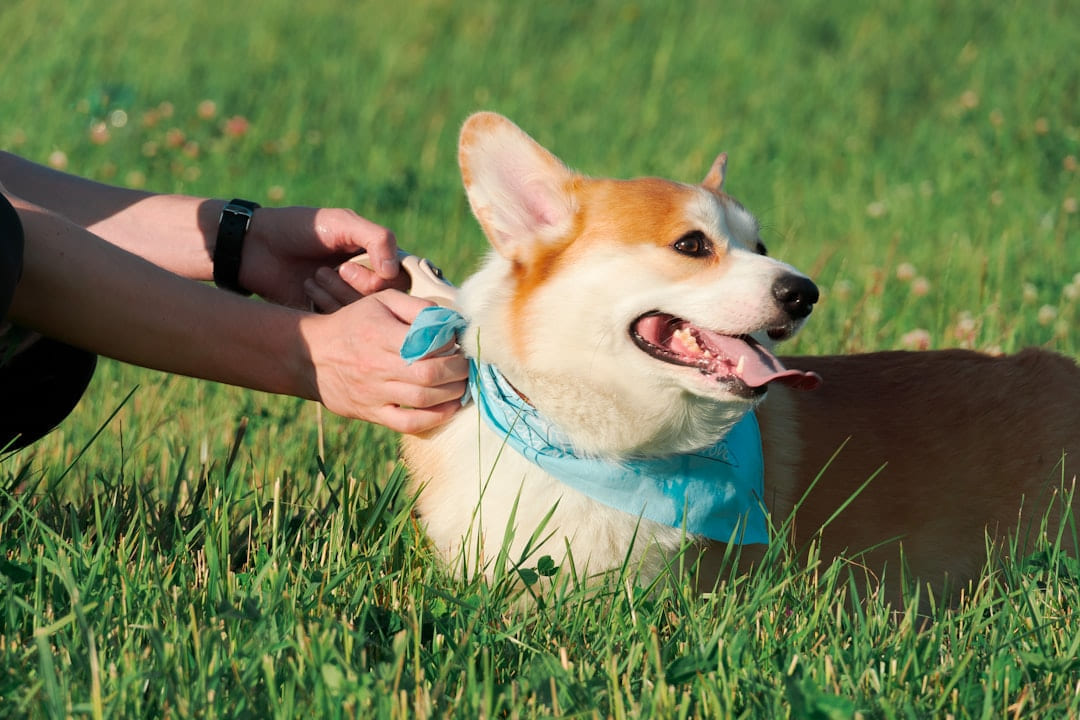
Tucked tail, flattened ears, panting (when not hot), yawning (when not tired), lip licking, whale eye (showing the whites of their eyes), trembling. If this reduces stress for both the pet and the person caring for them, it is a strong signal to keep it.
Behavioral Changes
Hiding, excessive vocalization (whining, barking), restlessness, pacing, refusing to eat, aggression (even towards familiar people or animals). Practical pet care tends to work best when the change is easy to repeat and easy for the animal to tolerate.
What To Do Next
Use the ideas above to choose one clear next move, test it in your own situation, and keep refining from there. That approach tends to produce better long-term decisions than trying to solve everything at once.
Keep This Practical
Good pet decisions tend to be simple, observant, and consistent. Focus on one change that improves your animal's environment or routine, then watch how they respond before adding more.