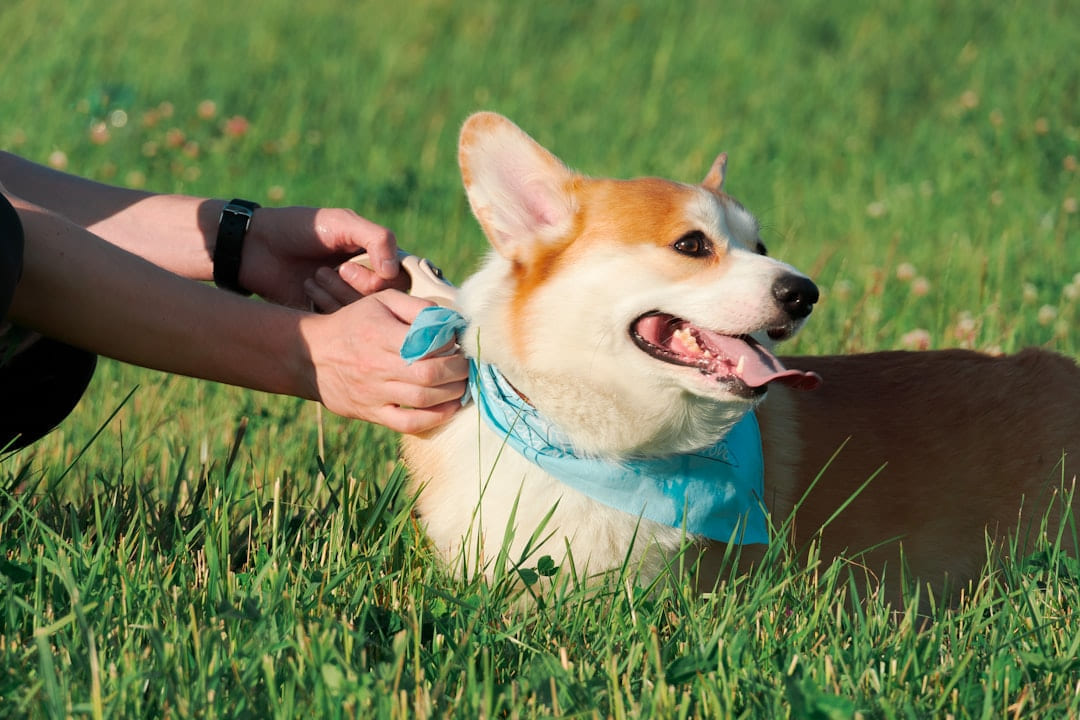
Pet First Aid: Simple Steps for Owners is easier to make sense of when you break it down into the part that matters most first. Instead of chasing every option at once, it usually helps to focus on what will make Pet First Aid: Simple Steps for Owners more useful, easier to manage, or more affordable in ordinary life.
Start with what you will actually use
With Pet First Aid: Simple Steps for Owners, the first question is usually not which option looks best on paper. It is which part will make day-to-day life easier, smoother, or cheaper once the novelty wears off.
A lot of options sound great until you picture them in a normal week. If the setup is fussy, the routine is easy to forget, or the maintenance is annoying, the appeal fades quickly.
There is also value in keeping one part of the process deliberately simple. Readers often do better when they identify the one decision that carries the most weight and make that choice carefully before they chase smaller optimizations. That keeps momentum steady and usually prevents the topic from turning into clutter.
What tends to get overlooked
Tradeoffs are normal here. Cost, convenience, upkeep, and flexibility do not always line up neatly, so it helps to decide which tradeoff matters least to you before you commit.
This usually gets easier once you make a short list of priorities. A tighter list tends to produce better decisions than trying to solve every possible problem at once.
Another useful filter is asking what you would still recommend if the budget got tighter, the schedule got busier, or the setup had to be easier for someone else to manage. The answers to that question usually reveal which advice is durable and which advice only works under ideal conditions.
How to keep the setup simple
If you want Pet First Aid: Simple Steps for Owners to hold up over time, choose the version you can actually maintain. That can mean spending less, leaving out an attractive extra, or simplifying the setup so it fits ordinary life.
The version that holds up best is usually the one you can live with on an ordinary day. That often matters more than the version that only feels good when you have extra time, energy, or money.
That is why the best next step is often a modest one with a clear upside. You want something specific enough to act on, flexible enough to adjust, and practical enough that you would still recommend it after the first burst of enthusiasm fades.
Costs that show up later
You do not need the flashiest answer here. You need the one that fits your space, budget, and routine well enough that you will still feel good about it after the first week.
In a topic like Pet care and pet products, manageable almost always beats impressive. If something is simple enough to keep using, it is usually doing more real work for you.
Readers usually get better results when they treat advice as something to test and refine, not something to obey perfectly. That mindset creates room for real judgment, which is often the difference between content that sounds smart and guidance that is actually useful.
What is worth skipping
It is easy to underestimate how much clarity comes from removing one unnecessary layer. In practice, trimming one complication often does more for Pet First Aid: Simple Steps for Owners than adding one more feature, one more product, or one more clever workaround.
The options that age well are usually the ones that are easy to repeat. Reliability and low hassle often matter more than the most impressive-looking feature list.
When you are deciding what to do next, aim for the option that reduces friction and gives you a clearer read on what matters most. That is usually how Pet First Aid: Simple Steps for Owners becomes more useful instead of more complicated.
A realistic next step
If this topic still feels crowded or overcomplicated, that is usually a sign to narrow the decision, not a sign that you need more noise. One careful adjustment, followed by honest observation, tends to teach more than another round of abstract tips.
A grounded next step is usually better than a dramatic one. Pick one realistic change, see how it works in normal life, and let that result guide the next decision.
Leave a little room to adjust as you go. A setup that works in one budget range, season, or routine might need a small change later, and that is usually normal rather than a sign you got it wrong.
Wrapping Up
Being prepared for emergencies is one of the best things you can do for your beloved pet. Creating your own home first aid kit and taking a more comprehensive pet first aid course can give you the confidence to handle unexpected situations. Start small, learn the basics, and remember - your pet’s well-being is always your top priority. Ready to take the next step? the recommendations below
Keep This Practical
The most helpful pet-care changes are usually the ones your animal can feel right away: more comfort, clearer routines, and less daily stress. Start there and build steadily.
Tools Worth A Look
If you want a practical next step for your pet's routine or setup, the recommendations below are the best fit.
- HICC PET Dog Dental Care Spray, Vet-Trusted Breath Freshener & Teeth Cleaning Spray, Eliminate Bad Breath, Support Healthy GumsDog Dental Powder, Dog Teeth Cleaning Powder- Natural Breath Freshener for DogsPetSafe Wee Care - 100% Biodegradable Enzyme Cleaner - Removes Tough Pet Stains & Eliminates Odors - Non-ToxicDog Allergy Relief ChewsBurt's Bees for Pets Cat Dander Remover Wipes, Unscented Soft Grooming Cloths
Some of the links on this page are Amazon affiliate links, which means I may earn a small commission if you make a purchase through them. As an Amazon Associate, I earn from qualifying purchases.
Related ReadingMore from Happy Paws Daily

Pet First Aid: Simple Steps for Calm
A calmer pet first-aid guide that helps owners respond more steadily, recognize key warning signs, and make better decisions in stressful moments.
Pet First Aid: Knowing What to Do
can be easier to approach when you start with a few practical basics. Bringing a new furry friend home is one of the most wonderful things, isn’t it? But it can.

Ready for Pet Emergencies?
Pet Emergencies can be easier to approach when you start with a few practical basics. Writing style: Direct, practical, and reassuring. Let’s be honest, as pet.