Before we jump into commands, it’s vital to understand why your dog might be struggling with confidence. Many factors can contribute, including a lack of socialization as a puppy, past trauma, or even just a naturally shy temperament. Sometimes, it’s as simple as a negative experience - a loud noise, a sudden movement, or an uncomfortable interaction. Recognizing the potential cause is the first step. If you suspect a deeper issue, like anxiety stemming from past abuse or neglect, consulting with a certified professional dog trainer or veterinary behaviorist is absolutely essential. They can help you develop a tailored plan that addresses the underlying problem.
Let’s say your dog is terrified of thunderstorms. Simply forcing them to stay outside won’t help. Instead, we need to create a safe space - a crate, a quiet room - and gradually introduce them to the sounds of thunder with positive reinforcement. This is about desensitization and counter-conditioning - changing their association with the trigger from negative to neutral or even positive.
Building a Foundation of Trust
Training starts with trust. Your dog needs to believe that you’re a safe, reliable source of positive experiences. This isn’t a quick process; it’s an ongoing investment in your relationship. Here's how to build that foundation:
- Positive Reinforcement Only: This is absolutely key. Focus on rewarding desired behaviors with treats, praise, or toys. Avoid punishment - it creates fear and anxiety, which will derail any training efforts.
- Short, Frequent Sessions: Dogs have short attention spans. Keep training sessions to 5-10 minutes, several times a day.
- Start with Simple Things: Begin with easy commands like “sit” or “down” in a quiet environment with minimal distractions.
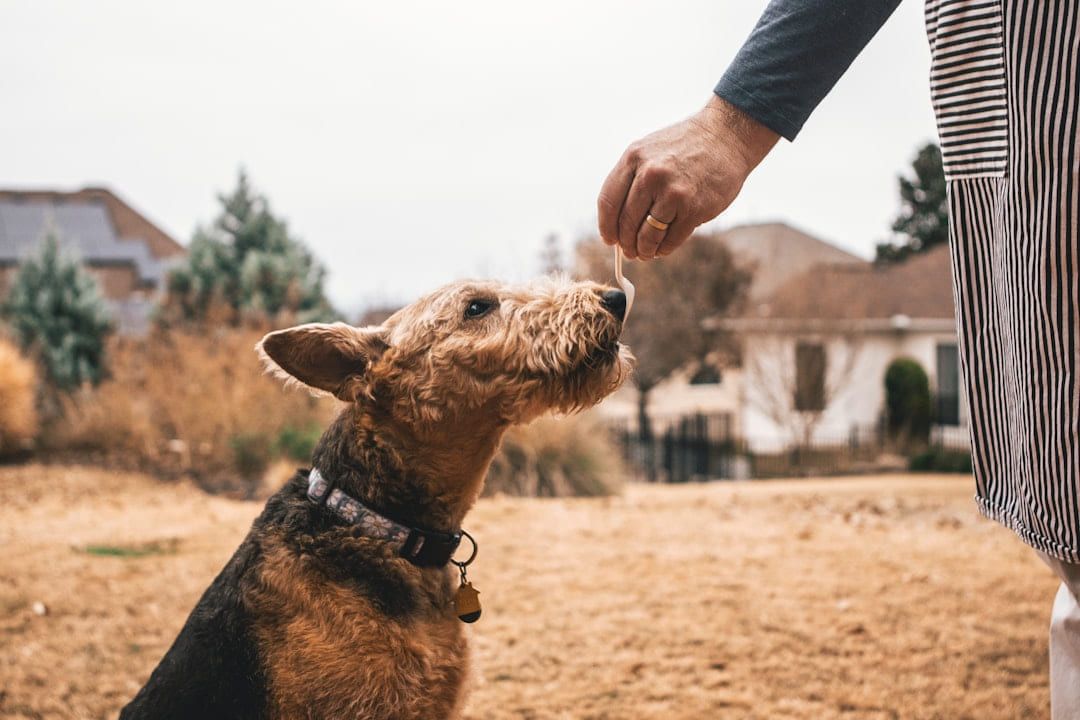
- Hand Targeting: Teach your dog to touch their nose to your hand. This is a fantastic way to guide them and build focus. Reward them lavishly when they do it!
Introducing Basic Commands
Once your dog has a solid foundation of trust, you can start introducing basic commands. Remember to keep it positive and fun! Let’s take “stay” as an example:
- Start Small: Begin with just a few seconds of “stay.”
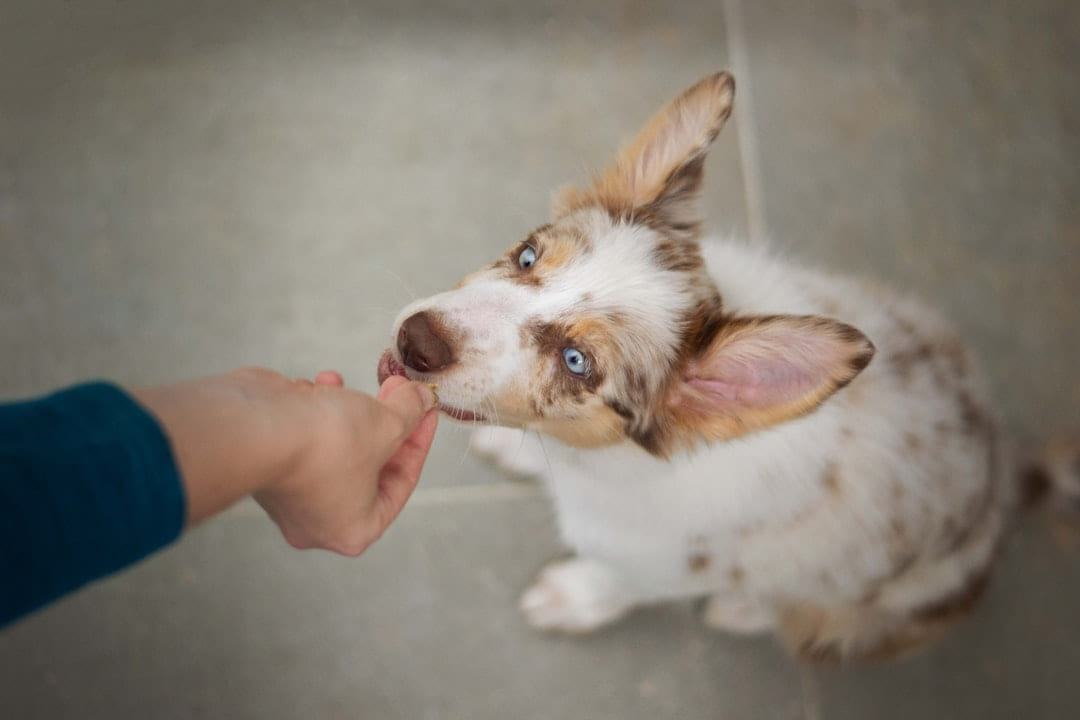
- Lure and Reward: Use a treat to lure your dog into a “sit” or “down” position. As they hold the position, say “stay” and immediately reward them.
- Gradually Increase Duration: Slowly increase the amount of time they need to stay before receiving a reward.
- Add Distance: Once they can stay for a reasonable amount of time, start taking a small step back while they stay. Gradually increase the distance.
- Introduce Distractions: Once they’re reliable in a quiet environment, start introducing small distractions - a toy, a family member walking by.
Consistency is crucial here. Practice these commands regularly, even if it’s just for a few minutes each day. And always end on a positive note - reward them for their effort, even if they don’t get it perfect.
Addressing Specific Challenges - Separation Anxiety
Separation anxiety is a common issue that can severely impact a dog’s confidence. It’s characterized by destructive behavior, excessive barking, and attempts to escape when left alone. Addressing this requires a multi-faceted approach:
- Create a Safe Space: Provide a comfortable, secure den-like area where your dog can retreat.
- Desensitization to Departure Cues: Practice leaving and returning in short intervals, gradually increasing the time you’re gone. Don’t make a big fuss when you leave or return.
- Puzzle Toys: Leave your dog with engaging puzzle toys to keep them occupied while you’re away.
- Calming Aids: Consult with your veterinarian about calming supplements or pheromone diffusers.
Socialization - Expanding Your Dog’s Comfort Zone
Socialization is absolutely critical for building confidence. Exposing your dog to a variety of people, places, and things in a positive way can help them become more comfortable and adaptable. However, it needs to be done carefully and at your dog’s pace. For a fearful dog, overwhelming them with too many new experiences can be counterproductive. Start with controlled introductions - a quiet park with few people, a friend who is calm and patient. Always reward your dog for calm behavior around new stimuli.
The Importance of Patience and Understanding
Building confidence in a dog takes time, patience, and understanding. There will be setbacks along the way. Don’t get discouraged! Celebrate small victories and remember that every step you take is a step in the right direction. Most importantly, approach your dog with kindness, empathy, and a genuine desire to help them feel safe and secure. If you’re struggling, don’t hesitate to seek professional guidance. A qualified dog trainer or veterinary behaviorist can provide personalized support and help you develop a training plan that’s tailored to your dog’s individual needs.
Pick the easiest win first
Most people get better results with Step-by-Step Dog Training: Build Confidence when they narrow the decision to one real problem. That could be saving time, trimming cost, reducing friction, or making the routine easier to keep up.
This usually gets easier once you make a short list of priorities. A tighter list tends to produce better decisions than trying to solve every possible problem at once.
Another useful filter is asking what you would still recommend if the budget got tighter, the schedule got busier, or the setup had to be easier for someone else to manage. The answers to that question usually reveal which advice is durable and which advice only works under ideal conditions.
The tradeoff most people notice late
One common mistake with Step-by-Step Dog Training: Build Confidence is expecting every option to solve the whole problem. In reality, some choices are better for convenience, some for reliability, and some simply for keeping the budget under control.
Before spending more, it is worth checking the setup, upkeep, and learning curve. Small hassles matter here because they are usually what decide whether something stays useful or gets ignored.
It is easy to underestimate how much clarity comes from removing one unnecessary layer. In practice, trimming one complication often does more for Step-by-Step Dog Training: Build Confidence than adding one more feature, one more product, or one more clever workaround.
What makes this easier to live with
The options that age well are usually the ones that are easy to repeat. Reliability and low hassle often matter more than the most impressive-looking feature list.
In a topic like Pet care and pet products, manageable almost always beats impressive. If something is simple enough to keep using, it is usually doing more real work for you.
Readers usually get better results when they treat advice as something to test and refine, not something to obey perfectly. That mindset creates room for real judgment, which is often the difference between content that sounds smart and guidance that is actually useful.
Keep This Practical
If this topic matters to your pet right now, keep the next step calm and practical. A small improvement in safety, enrichment, or routine often makes a bigger difference than buying more at once.